The largest study of audience building in US performing arts found that most organizations grew the audience they targeted, but total attendance rarely moved, new attendees came less often, and the gains did not show up in ticket revenue. The Wallace Foundation's research on 25 organizations is the clearest evidence the field has on what audience development can and cannot deliver. This piece sets out what it found, what worked, and what it means for goals, budgets, and measurement.
The Wallace Foundation has funded two large rounds of audience-building work, and their results point in different directions.
In the first, between 2006 and 2012, Wallace funded 54 arts organizations to develop and test audience-building approaches. Among the 46 with reliable data, the 11 organizations seeking to grow their overall audiences saw median gains of 27% over three years, and the 35 targeting specific segments saw median gains of 60%, though some of those segments started from a small base.
The second round, Building Audiences for Sustainability (BAS), asked the harder question: does audience building improve financial health? From 2015 to 2019, Wallace awarded nearly $41 million in grants to 25 performing arts organizations with budgets over $1 million, including Lyric Opera of Chicago, Steppenwolf Theatre Company, Seattle Opera, and the Los Angeles Philharmonic. Francie Ostrower of the University of Texas at Austin tracked the results through 2022, using hundreds of interviews plus audience surveys and ticketing data from 15 of the projects. Her 2024 report, In Search of the Magic Bullet, takes its title from one leader's verdict: "We were, in good faith, hoping to find the magic bullet. . . . I don't think we or anyone else has found it."
Decide which number you are trying to move
BAS's central finding: most organizations expanded their target audience, but even dramatic target-audience gains generally did not affect total attendance, because organizations had chosen audiences with a small initial presence. Doubling a group that starts as a small share of bookers barely registers in the season total.
Wallace's conclusion is that organizations need to decide whether the goal is deeper engagement from a particular audience or a larger audience overall, because one may not produce the other, at least in the short term. They call for different plans, different budgets, and different definitions of success, and a board that expects the season total to rise from a segment initiative will judge it a failure even when it works.
The most usable goals name a behavior, a group, and a timeframe. For example:
Increase the percentage of first-time attendees who return for another program within twelve months.
That framing forces the questions that matter: which programs bring in first-time buyers, what they attend next, how quickly, and what they hear from the organization in between. For defining the group itself, see how to identify your target audience.
The escalator is mostly a myth
Most audience-building plans assume a progression: single-ticket buyer, then frequent attendee, then subscriber, then donor. By the end of BAS, participants were questioning what one called "this old myth of the long slow escalator."
The ticketing data supports their doubt. Between 2015 and 2019, many organizations saw audience gains coupled with a decline in frequency of attendance. More people were attending, but they were attending less often, and the relationship between growth in bookers and average productions per booker was negative and statistically significant. If the pattern holds, Ostrower notes, organizations must attract many more people just to fill the seats a smaller, more frequent audience used to fill, find ways to deepen engagement, or both.
UK data shows the same base. Spektrix's ticketing analysis found that first-time bookers made up 54% of all bookers in 2023, close to the 2013 high of 55%. A strategy that only works for people who climb the escalator is designed for a minority of the file. The practical response is to plan for infrequent attenders as a permanent segment while identifying the smaller group with genuine potential to go deeper. How to earn the second visit covers the retention evidence in detail.
Crossover programming rarely crosses over
The approach BAS found consistently disappointing was the crossover strategy: offering different programming to attract new audiences in the hope they would then attend the core season. Presenting at off-site venues often fell short in the same way.
One opera interviewee described the expectation candidly: "I think in our naivety, we thought; well, we'll convert 70 percent of these new audiences into mainstage ticket-buyers. . . . We had to get comfortable with the idea that that's a separate line."
The programs were not worthless. Where special programming did reach the target audience, several organizations kept it and changed the metric, valuing it for the new audience it reached rather than for conversions to the main stage. The decision Wallace recommends making upfront is whether the goal is to grow audiences for what the organization already does, or to grow audiences even if that means changing or expanding the programming. A crossover series can serve the second goal but should not be budgeted against the first. The distinction between attracting a crowd and building an audience runs through cultivating new audiences, not just selling more tickets.
What consistently worked: communication
The approach BAS organizations consistently found helpful was changing their communications: more welcoming and informative content and wider use of email, social media, and, in some cases, video trailers. Successful strategies, in Wallace's summary, met audiences where they were.
National survey data explains why. The National Endowment for the Arts' When Going Gets Tough, based on the 2012 General Social Survey, found that 13.3% of US adults, about 31 million people, wanted to attend an exhibit or performance in the past year but did not. Their most common barriers:
Lack of time, cited by 47%
Cost, cited by 38%, but for 78% of those people it was the single most important barrier
Difficulty getting to the venue, cited by 37%
No one to go with, cited by about one in five
The same survey found that socializing was the most common reason people attend at all: 76% of performance attendees named it among their reasons. For a large share of prospects, the question an event page has to answer is less about the art than whether the evening works: when it ends, how to get there, what it costs, and whether it suits a night out with someone else. Cost matters intensely to a minority rather than moderately to everyone, which argues for targeted price access over broad discounting.
Wallace's earlier analysis of 10 successful projects, Bob Harlow's 2014 report The Road to Results, reached a compatible conclusion: the effective organizations identified the specific barriers standing between them and a target audience before choosing tactics, and provided multiple ways in. Low participation is not the same as low interest, and event listings alone do not create audience growth: a date and a ticket link answer none of the questions above.
Test assumptions against data
BAS found that unexamined and unfounded assumptions hindered organizations' ability to connect with the audiences they hoped to reach. These ranged from communication styles reliant on arts-industry language to the escalator assumption above. Engaging with data and seeking outside input helped surface them.
Two findings stand out. First, age was not a useful predictor of attending new work. Frequent attendees and subscribers were more likely to attend new and less familiar productions, and where older audiences appeared more adventurous, it was because they attended more often. Second, organizations targeting millennials found them far more diverse than many had assumed, which undermined campaigns built around a single "young audience" profile.
The practical implication is to segment on behavior, such as frequency, recency, and what someone has already attended, before demographics. Audience segmentation for arts organizations sets out how, and audience personas covers turning segments into working creative briefs. Short interviews with first-timers, lapsed attenders, and front-line staff are often the fastest way to find an assumption worth testing.
Reach people who are not already following you
An organization's email list, social accounts, members, and past buyers are essential and finite. BAS's communication gains came partly from expanding the channels organizations used, and reaching people outside the existing file requires channels built around someone else's audience: local media, community and university partners, tourism partners, organizations with adjacent audiences, and cultural discovery platforms.
Context matters as much as reach. Someone deliberately browsing for something to do is closer to buying than someone interrupted by an ad, and the NEA data suggests many of those people are looking for an occasion as much as a specific art form. Discovery gives an organization an ongoing presence; promotion gives individual events extra visibility. Event discovery vs. event promotion explains how the two work together, and how to market cultural events with a limited budget covers choosing between channels when staff time and money are tight.
Make the next step easy to take
Given the frequency data, the job after a first visit is less about selling a subscription and more about making one more visit easy:
Follow up with something relevant to what the person attended rather than the full season calendar.
Make the organization visible behind the event. On many general marketplaces the transaction gets more attention than the presenter. A followable organization page means someone who cannot make this date can still stay connected.
Keep access to your own buyers. Ask whether your ticketing platform gives you the customer information associated with your buyers, subject to permissions and privacy requirements. A platform's broader audience supports discovery; your own buyer relationships make follow-up possible.
Measure frequency, not just headcount
BAS shows why ticket sales alone can mislead in both directions. A season can add bookers while each one attends less, and a segment can double without moving the total.
The measures that separate those outcomes:
New-buyer share, and where new buyers came from
Target-segment share of bookers, reported separately from total attendance
Average productions per booker, the metric that would surface BAS's frequency decline
Time to second purchase and first-time buyer return rate within 12 months
Organization follows, email sign-ups, and cross-program attendance
For instrumenting these, see what audience data arts organizations should track.
Budget audience development as an investment, not a revenue line
The finding most likely to change a budget conversation: BAS data showed no correlation between increases in target audiences and total ticket revenue or other organization-level financial measures, and some target audiences, younger audiences among them, were more financially disadvantageous in the short term.
Wallace's president, Will Miller, drew the conclusion directly: it is possible for performing arts organizations to diversify their audiences, "but doing so alone will not solve their fiscal challenges." The report recommends uncoupling new-audience cultivation from earned revenue goals and acknowledging that some audience-building work requires subsidy because it serves mission and artistic needs rather than near-term income.
For a marketing leader, that argues for funding audience development from a separate line with its own metrics, rather than asking it to pay back in the same season. It also argues for lowering acquisition costs where possible, since an organization that must repurchase attention for every production, from an audience that attends less often, faces rising costs with little cumulative return.
How CultureOwl fits in
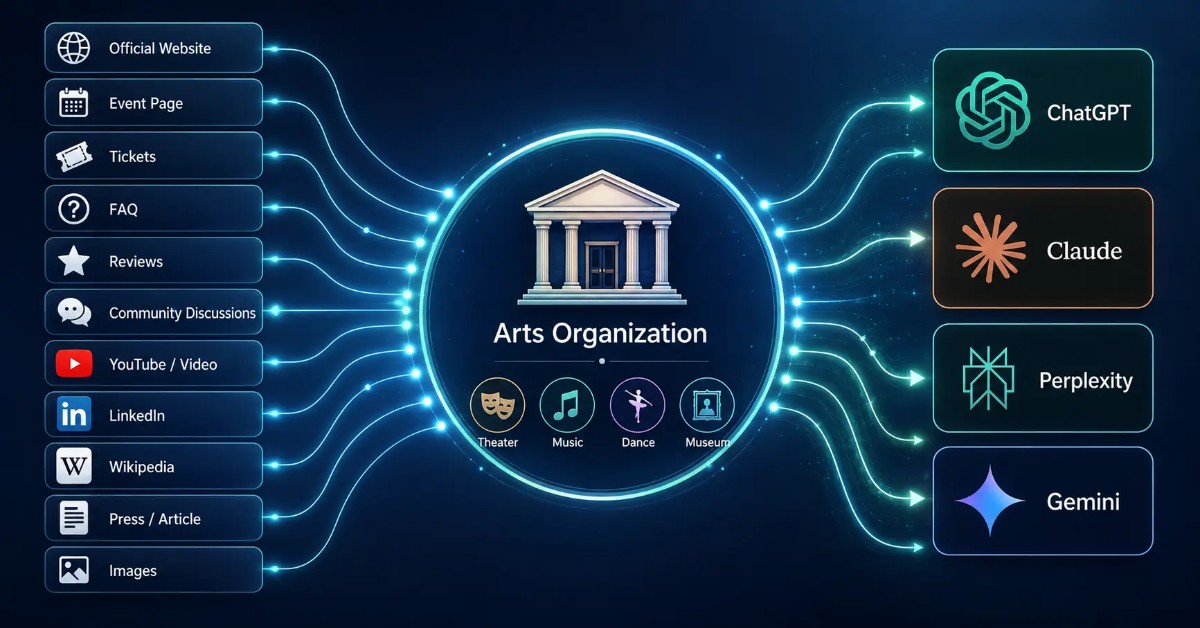
The evidence favors welcoming information, channels beyond an organization's own file, and a route back for infrequent attenders. CultureOwl is event discovery with low-cost ticketing, built for the arts. People browse it across multiple markets for something to do, often before choosing an organization. Members get followable organization pages, priority events can get added visibility through event promotion, and members selling through CultureOwl can access their own buyers' information, subject to permissions. As a public benefit corporation, it is built around the cultural ecosystem's long-term health. Explore CultureOwl Audience Growth.
Key takeaway
The Wallace Foundation's research shows that arts organizations can grow a target audience, but that growth rarely lifts total attendance or ticket revenue on its own, and new audiences tend to attend less often. Clearer, more welcoming communication was the approach that consistently worked; crossover programming consistently fell short of converting new audiences to the core season. Set segment goals separately from overall growth, measure frequency alongside headcount, and fund audience development as a long-term investment.
Frequently asked questions
What is audience development in the arts?
The ongoing work of attracting new people to an arts organization and turning first-time attendees into returning participants. Unlike event marketing, it covers the full relationship: who the organization wants to reach, what keeps them away, the first experience, and what brings them back.
Does audience development increase revenue?
Not reliably in the short term. In the Wallace Foundation's Building Audiences for Sustainability initiative, which granted nearly $41 million to 25 performing arts organizations from 2015 to 2019, increases in target audiences showed no correlation with total ticket revenue.
What audience-building strategies work best?
Changing communications was the approach Wallace's grantees consistently found helpful: more welcoming, informative content and wider use of digital channels. Crossover programming, designed to move new audiences into the core season, consistently disappointed.
What stops interested people from attending the arts?
The NEA found 13.3% of US adults wanted to attend an arts event in the past year but did not. Lack of time (47%), cost (38%), and difficulty getting to the venue (37%) were the most common barriers, and about one in five had no one to go with.
How do you measure audience development?
Track new-buyer share, target-segment share, average productions per booker, and first-time buyer return rate alongside total tickets sold. See what audience data arts organizations should track.