An arts organization's target audience is two groups in one file: people who already attend (the retention audience) and people who would respond to the work but haven't found it yet (the acquisition audience). Recent ticketing data shows why the split matters. TRG Arts reports that 50% of North American arts audiences are now new to the organization, and that churn among new single-ticket buyers has risen to 85%. A definition that blends the two groups hides both problems. This guide covers how to separate them using behavior you already hold, and what the evidence says about each.
Ask an arts marketing director who the audience is and the answer usually describes the people already in the room: subscribers, regular donors, the mailing list. The ticketing data describes a different room. In 2024, TRG Arts reported that 50% of North American arts audiences were new to the organization, up from 43% before the pandemic, while churn among new single-ticket buyers had risen from 75% to 85%.
The UK pattern is similar. Spektrix's aggregated ticketing data, published with Indigo in the 2024 Tomorrow's Audience report, found that 54% of 2023 bookers were first-timers, and that 19.5% of people who first booked in 2022 returned in 2023, the highest rate of return since 2016.
So the "audience" in any given season is roughly half strangers, and most of them will not be back. A target audience definition that describes only the regulars leaves out the half of the file where most of the movement happens.
Two audiences, two different jobs
The useful distinction is between a retention audience, people who have attended and whom you want to keep, and an acquisition audience, people who haven't encountered the organization but would likely respond if they did. The strategies are close to opposite.
Retention work deepens a relationship that exists: renewal timing, the window after a first visit, making a third season feel different from the first. Acquisition work creates visibility where the organization currently has none, because this audience isn't reading the newsletter.
TRG's data adds a caution. Jill Robinson, TRG's CEO, has described the sector as having an "over-prospecting-under-retaining" problem: organizations are good at getting new people through the door and poor at keeping them. The argument for splitting the definition is not that acquisition deserves the larger share of budget. It is that the two groups fail in different ways, and a blended definition can't show which failure is happening. Total tickets can hold steady while new-buyer churn worsens underneath. For the second half of that equation, see how to earn the second visit.
Why a database-only definition shrinks
TRG Arts analyzed transactional data from 163 arts organizations across the US and Canada from 2018 through 2025. Organizations are reaching more households than in 2018, but each household is doing less:
Average orders per household fell from roughly 1.5 a year in 2018 to 1.45 in 2025
Tickets sold are down about 9% against 2018, while ticket revenue is down only around 4%, held up by per-ticket prices rising roughly 5% above inflation
Subscription households remain 26% below 2018 levels, although remaining subscribers are buying more tickets each
The share of single-ticket buyers attending only one event a year has grown
When the typical attender came several times a season, a target audience built from the existing database largely renewed itself. When more of the file is one-time buyers, the same definition gets smaller every year unless new people keep entering it. TRG draws the retention conclusion from this data, recommending pathways from single tickets to subscriptions. The definitional point follows from the same numbers: the acquisition audience has to be named, because the retention audience depends on it for new members.
Behavior first, motivation second, demographics last
For most arts organizations, behavior is the strongest starting point. Ticketing data on frequency, recency, and program interest is already in the system and describes what people actually do. Reliable demographic data on ticket buyers usually isn't available without surveys or purchased third-party data, both of which are costly and imprecise at mid-size scale.
Motivation is the second layer, and the most established sector research favors it over demographics. Morris Hargreaves McIntyre's Culture Segments model, used by cultural organizations internationally, groups people by cultural values and motivations. MHM notes that all demographic groups are found in all eight Culture Segments, by design. Its stated position is that demographics are how you monitor whether an audience is becoming more representative, not how you predict what will persuade someone.
One MHM case shows the difference in practice. A Washington, DC museum whose visitors skewed older and white asked how to reach younger, more diverse audiences. MHM's Audience Atlas data showed the main reason those groups weren't visiting was that they didn't know the museum existed. That's an awareness gap, not a preference gap, and it calls for an acquisition response rather than a change of program.
Motivation data can be collected cheaply. One optional question on a ticket or newsletter form ("What brought you here?") starts the dataset. Over a season it shows whether people came for the work, for an occasion, or for time with someone, and no demographic file captures that.
What the acquisition audience is weighing
The barriers for people who haven't attended are mostly not about price. In Culture Track '17, LaPlaca Cohen's national study of 4,035 US adults who had taken part in at least one cultural activity in the past year, the top barrier to cultural participation was feeling that an activity is "not for someone like me," followed by "I didn't think of it." Both ranked above inconvenience, having no one to go with, and cost.
The two barriers need different responses. "I didn't think of it" is a visibility problem: being present where people are deciding what to do this weekend. "Not for someone like me" is a creative problem. Retention creative can lead with the program, the cast, and the season because its audience already knows what those mean. Acquisition creative has to answer a question regulars never ask: what is this, and would someone like me enjoy it?
Identifying the audience without a research budget
Formal audience research is valuable, but most organizations will never commission it. The inputs that already exist are enough to start:
Order history. First-purchase date, what was attended, and how recently. That's enough to separate first-timers, occasional attenders, and regulars without new tools.
Box office and front-of-house staff. They hear every night who is coming and what they ask.
One checkout question. "What brought you to this?" builds motivation data from the first week.
The lapsed list. People who came once and didn't return show most clearly where the experience or the follow-up broke down.
Published sector benchmarks. TRG, Spektrix, and Culture Track won't describe your market, but they show the outline of the problem and set a baseline for your own first-timer return rate.
Three rough groups that change real decisions are more useful than a commissioned segmentation that sits in a drawer. For running this on a small team, see marketing cultural events with a limited budget.
Target audience, segment, or persona?
A target audience is who you've decided to pursue. A segment is a group inside your data you can message separately. A persona is a named portrait of one such group that staff can design around. They come in sequence, not as alternatives.
Choose the target audience, divide it into segments you can act on, then turn the most important segments into personas. Skipping straight to personas tends to produce vivid fictional people with no evidence underneath them.
Putting the split into practice
Pull one to two seasons of attendance and split buyers into returning (retention) and first-time. Where the source is trackable, flag first-timers who arrived through channels outside your own list, such as a discovery platform, a partner, or a referral.
Group the retention list by frequency: first-time, occasional, frequent or subscriber. Each needs its own message, not the same season announcement.
Calculate your own first-timer return rate and compare it against Spektrix's 19.5% UK figure and TRG's 85% new-buyer churn.
Identify which channels actually produced new buyers last season. Fund those, not just the familiar ones.
Describe each group by behavior in plain language. Add demographic labels only where the data supports them.
What changes once the audience is named
A definition is finished when it changes decisions. Naming both groups should change four:
Budget. Spending that mostly reaches people already on the list is retention spending, whatever the line item says. The split should be chosen on purpose, not inherited.
Creative. Retention creative leads with specifics. Acquisition creative has to overcome "not for someone like me" before the program details mean anything.
Channels. Email and owned social reach people who have already opted in. They can't do acquisition. Being found by someone outside that circle is a different job, covered in event discovery vs. event promotion and why event listings alone don't create audience growth.
Success metrics. Total tickets can rise while the acquisition audience shrinks, and new-buyer counts can rise while churn wipes out the gain. Track new-buyer share and first-timer return rate side by side.
How CultureOwl fits in
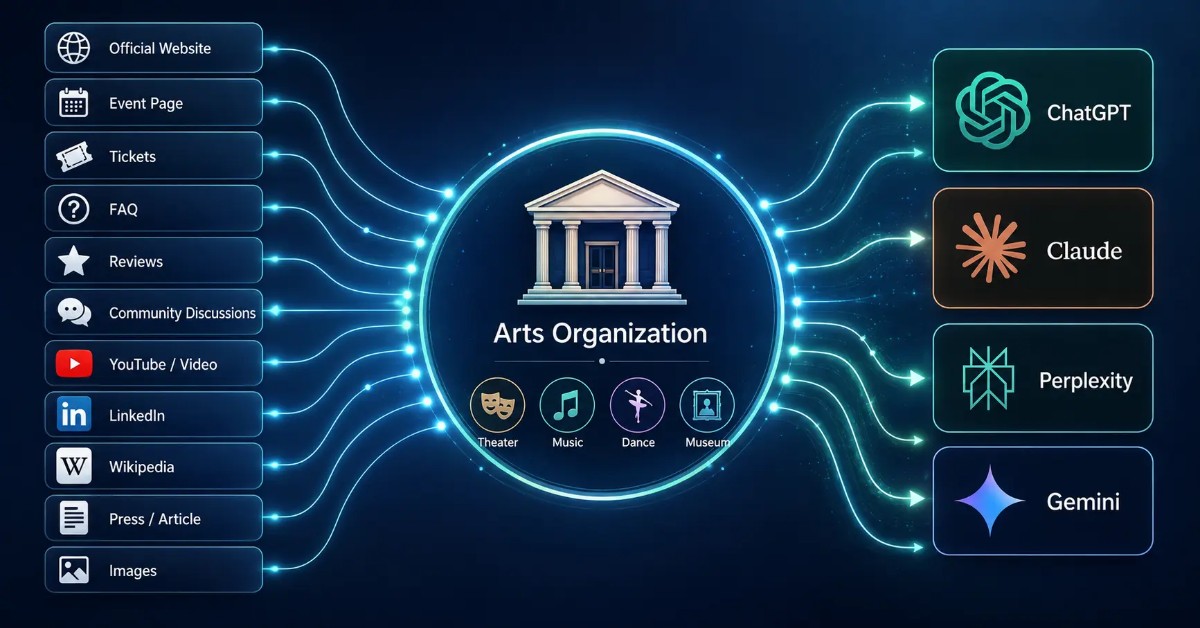
The acquisition audience isn't on the list and isn't searching for the organization by name. Culture Track's two leading barriers, "I didn't think of it" and "not for someone like me," are both discovery problems. CultureOwl is event discovery with low-cost ticketing, built for the arts. People use it across multiple markets to find something to do, not to look up an organization they already know, and they can follow organizations directly, so a first visit has somewhere to lead.
Frequently asked questions
What is a target audience for an arts organization?
It's best defined as two groups: a retention audience of people who already attend, and an acquisition audience of people who would likely respond to the programming but haven't encountered the organization. TRG Arts reports that half of North American arts audiences are now new to the organization, so both groups are substantial.
Should arts organizations define their audience by demographics or behavior?
Behavior first, then motivation. Ticketing data on frequency and program interest is already available. Morris Hargreaves McIntyre's motivation-based Culture Segments contain every demographic group in each of the eight segments, so demographics are better for monitoring representation than for predicting response.
Why does attendance plateau even when subscribers are happy?
Subscriber satisfaction only measures the retention side. TRG Arts' benchmark of 163 organizations shows subscription households 26% below 2018 levels, with churn among new single-ticket buyers at 85%. Growth depends on bringing in new buyers and converting them.
What is a good first-time attendee return rate?
Spektrix's UK data found 19.5% of 2022 first-time bookers returned in 2023, the highest rate since 2016. TRG Arts puts new single-ticket buyer churn in North America at 85%, which implies a return rate of roughly 15%.
How often should a target audience definition be revisited?
Once a season, alongside the attendance review, is enough for most organizations. Revise it when behavior in the data changes, such as a shift in new-buyer share or return rate, rather than on a fixed calendar.
Key takeaway
An arts organization's target audience is two groups that fail in different ways. The acquisition audience is held back mainly by awareness and perceived fit, not price. The retention audience is losing frequency: orders per household are down, and 85% of new single-ticket buyers don't return. Define both from behavioral data, measure new-buyer share and first-timer return rate together, and fund the channels that actually reach people outside the list.
Where this leads next
With retention and acquisition separated and grouped by behavior, you have the inputs for the audience data worth tracking, for cultivating new audiences rather than just selling more tickets, and for the wider strategy this fits into: audience development for arts organizations.