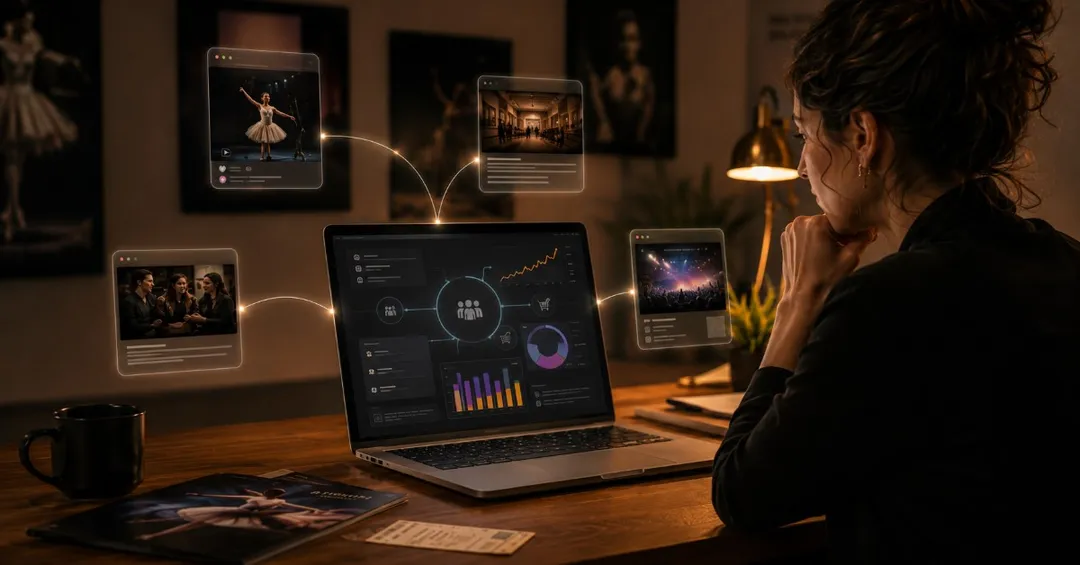

Most arts organizations aren’t struggling because the work lacks quality. They struggle because the infrastructure around cultural discovery and audience growth is inefficient, expensive, and fragmented.
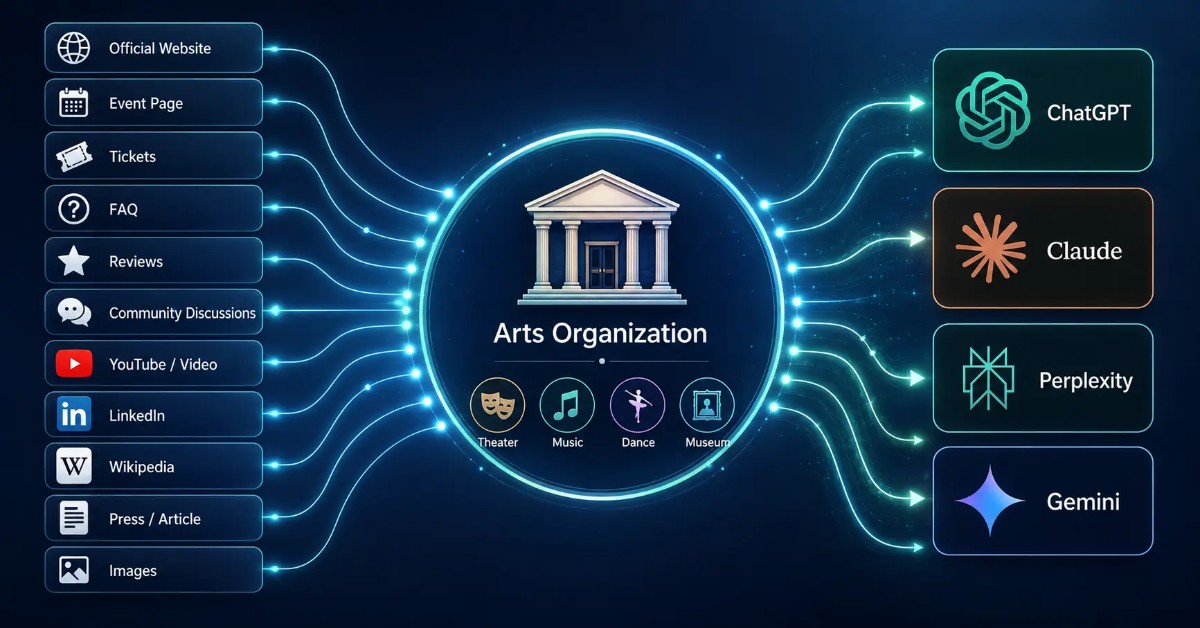
Event discovery platforms were not built for the realities of the arts. They rarely reflect nonprofit constraints, and they often make campaign management harder—forcing cultural organizations to operate inside systems designed for commercial scale, not mission-driven programming.
That is why CultureOwl exists. And it is why we chose to become a Public Benefit Corporation.
A PBC is a for-profit company with a legal obligation to pursue a defined public mission alongside financial performance. For CultureOwl, that commitment is structural: it is written directly into our charter.
CultureOwl was built around a simple principle: culture is a public good, and the infrastructure supporting it should be too. That means working within nonprofit budgets, not extracting from them. It means building tools that expand access and reduce friction, rather than making visibility dependent on marketing resources.
The arts are not peripheral to society—they are foundational. They shape identity, strengthen communities, fuel local economies, and create spaces for meaning and belonging. Running culture purely as a business is often counterintuitive: it tends to serve the corporations that facilitate access, not the artists and organizations doing the work.
That is why we focus on aggregating true cultural programming—not just what sells tickets at the highest volume. Culture is not defined by profit margins. It is defined by what connects communities, supports artists, and strengthens civic life.
Our purpose is to expand access to culture by connecting the arts community with audiences who are seeking purpose, meaning, and connection.
As our CEO often reminds us, discovery should serve the cultural ecosystem—not the other way around.
This is not mission adjacent to our business.
It is the business.