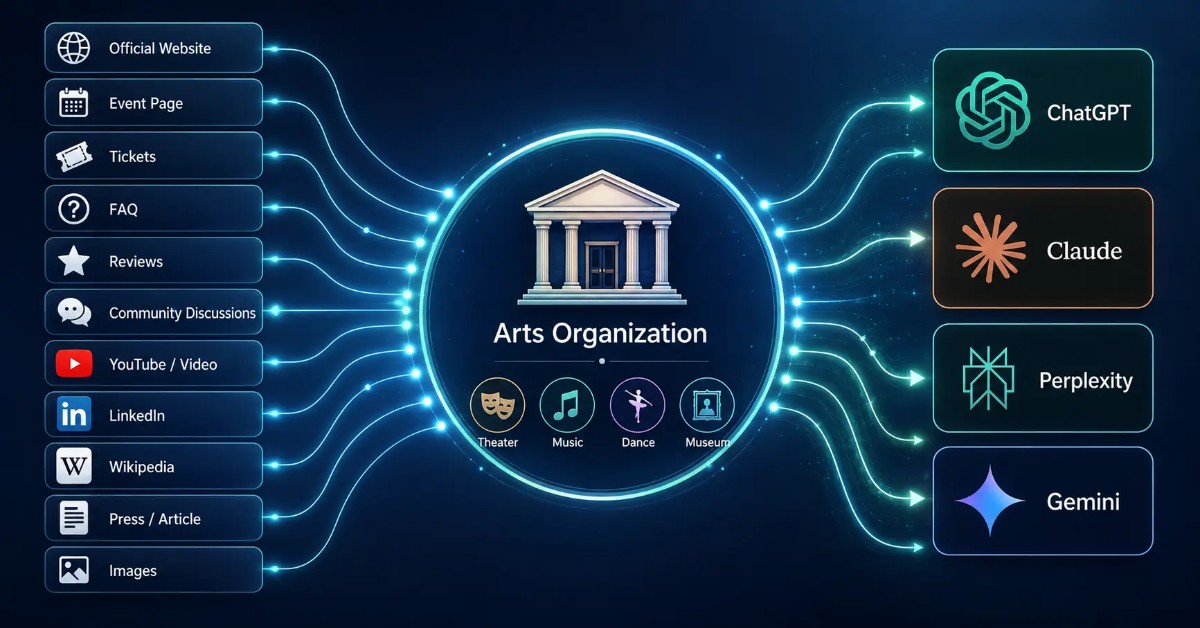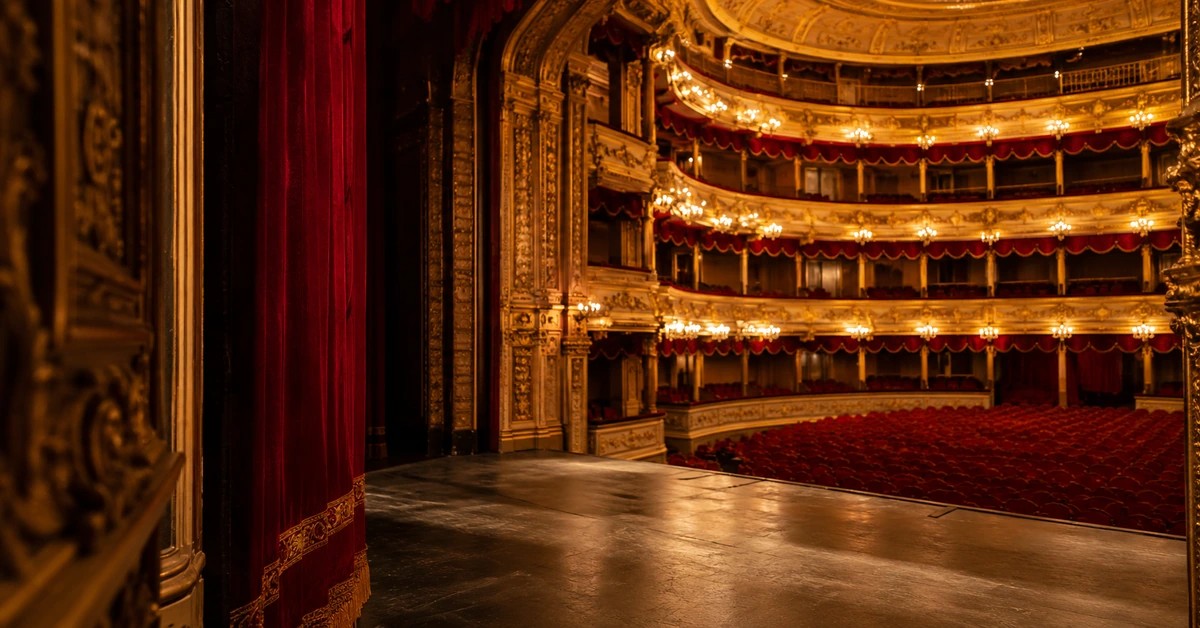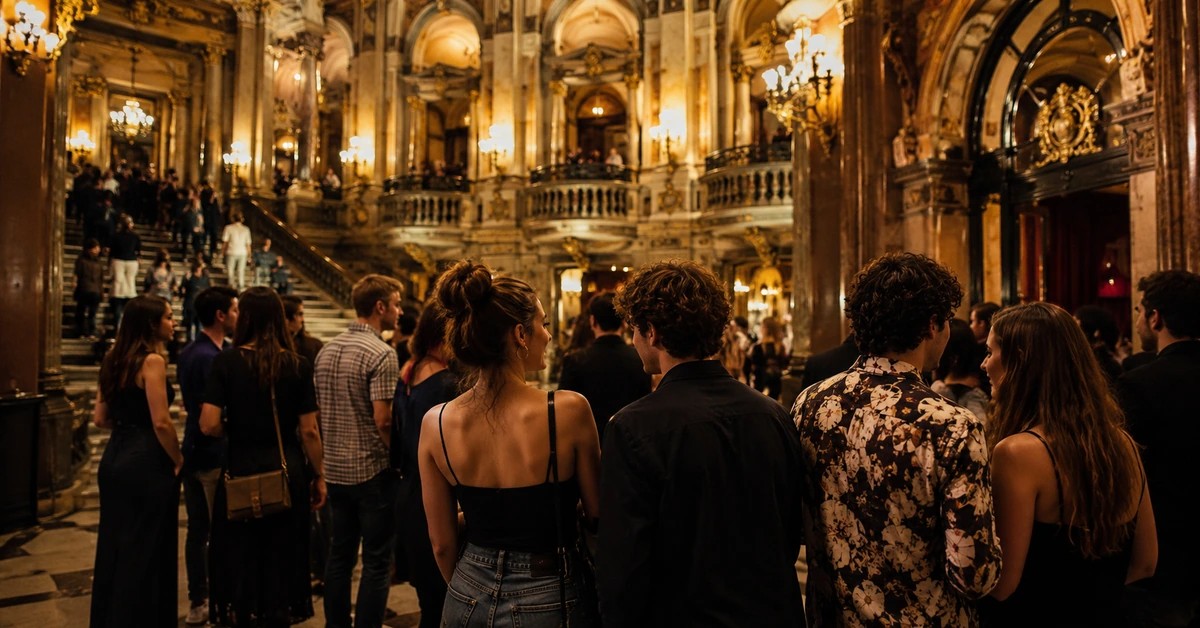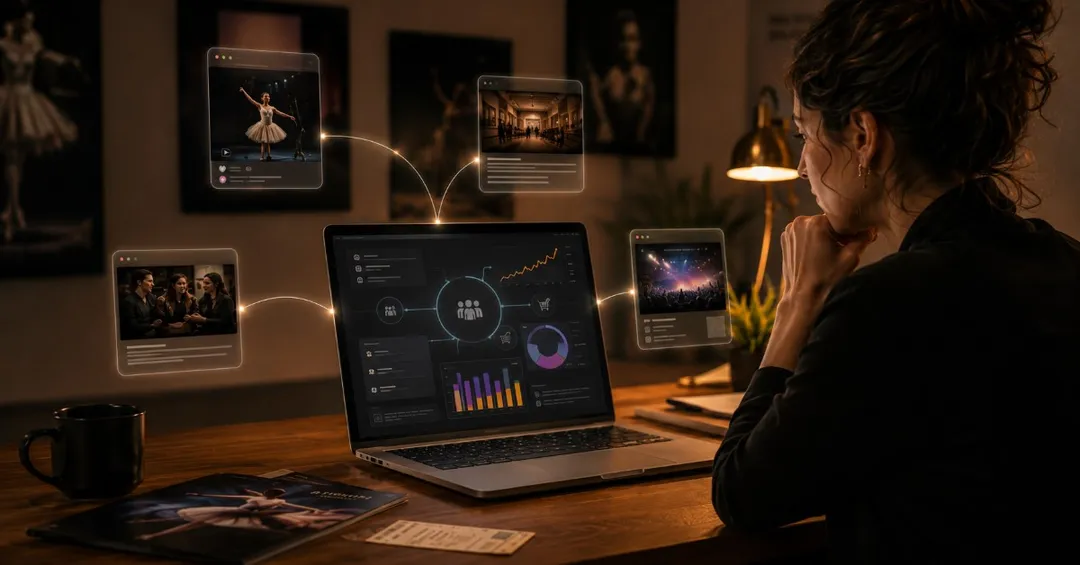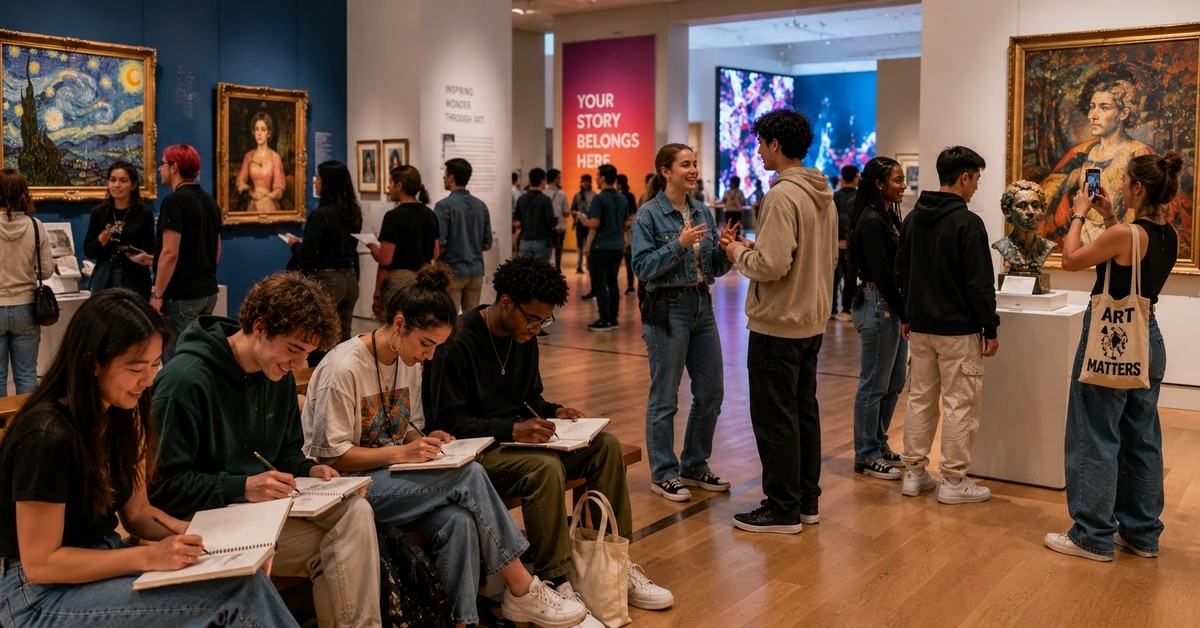

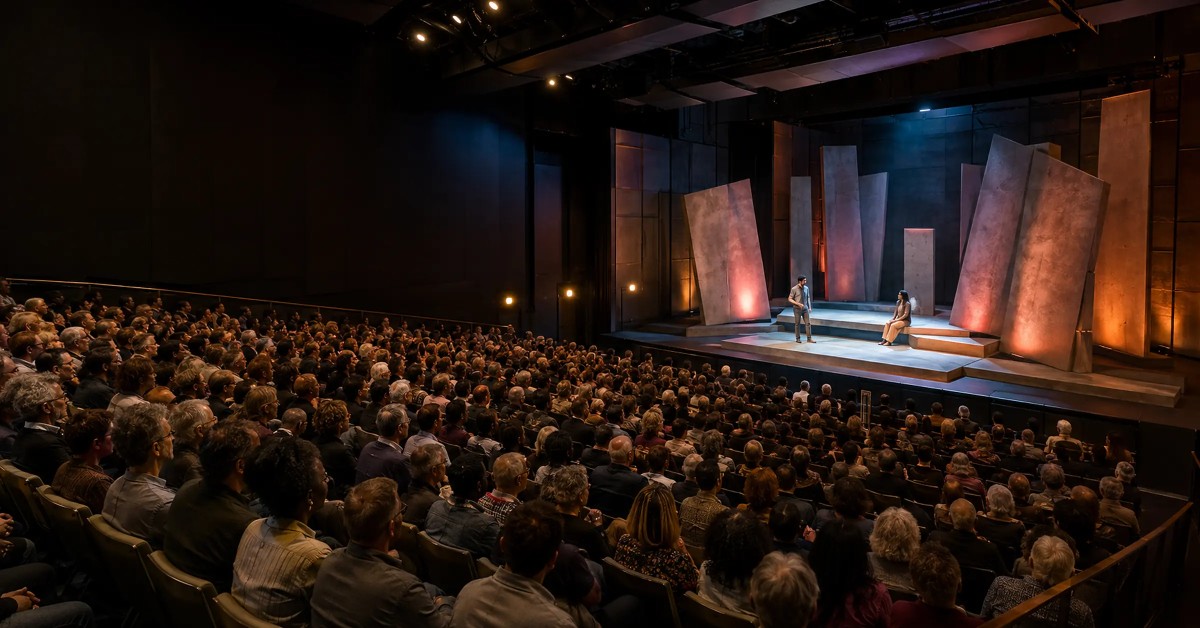
The theaters building the strongest audiences are not simply announcing shows. They are making their work easy to discover, trust, share, and return to—wherever people now begin planning a night out.
That can mean Google and AI-assisted search, local calendars, cultural newsletters, partner channels, an event listing, or the group chat where a friend says, “We should do this.” A strong production needs to feel just as clear and compelling in each of those places as it does onstage.
This does not make marketing less creative. It makes creativity more useful. When a theater’s story, show pages, listings, audience outreach, ticketing, and follow-up reinforce one another, each production can build more than opening-week sales. It can create recognition, retention, and a larger community of people who know exactly why they want to come back.
That is the opportunity in modern theater marketing: build a discovery system that turns attention into attendance, then attendance into an ongoing relationship. This guide shows how to build it across positioning, search visibility, outreach, conversion, and repeat engagement. Social media has an important role, but it is one part of the system.
What a modern theater marketing system does
Every campaign has three jobs:
Be findable. Your theater and individual productions need to appear where people search for a local activity, a specific genre, or an answer to “what should we do this weekend?”
Be understandable. Someone unfamiliar with the company should immediately understand the experience, tone, audience fit, and what makes this production different.
Be easy to choose. Dates, prices, accessibility, location, parking, run time, ticket options, and the purchase path should not require detective work.
Most organizations invest their energy in the middle: making attractive campaign materials. The stronger strategy supports all three. Beautiful creative cannot carry a production if no new people can find it; a strong event page cannot convert if it gives people no emotional reason to care.
Give the theater and each show a distinct promise
Theater brands are not built from a logo or mission statement alone. They are built from the experience people come to expect: ambitious new work in an intimate room, a dependable family night out, daring reinterpretations of classics, or a place where the local community sees itself onstage.
Ask: Why would someone choose a night at this theater over another option in the same city? The answer should shape season language, photography, partnerships, service, and programming—not just the About page.
Then give every show its own audience-facing promise. A production title and plot synopsis are rarely enough for someone outside the theater world. Translate the work into a human entry point:
a sharp comedy about adults who are terrible at telling the truth;
a romantic, high-energy night out for people who want to leave with a story to tell;
a family production that treats young audiences like intelligent people;
a timely drama with a reason to talk afterward.
That promise becomes the campaign’s throughline. It informs the event-page headline, photo selection, press pitch, partner, audience outreach, paid creative, and ticket invitation.
Build a digital home Google and people can understand
Your website is not a brochure. It is the source that should make every other channel more useful.
Each production deserves a permanent, indexable event page—not a poster image with a ticket button. A complete page should include a clear description of the experience, production credit and cast information where appropriate, venue and city, dates and times, ticket range, accessibility information, run time, age guidance, practical arrival details, and a direct route to buy.
Use ordinary language people actually search: “new play in Atlanta,” “family theater in Orlando,” “date night theater near downtown,” or “live Shakespeare this weekend.” Do not stuff these phrases into a page. Use them naturally when they accurately describe the experience and location.
There are several basics worth getting right:
Keep one canonical page per production and update it when dates, cast, availability, or access details change.
Add valid Event structured data to visible event details, along with Organization and LocalBusiness markup where it truthfully applies.
Make ticket links, directions, and mobile checkout easy to use.
Keep your Google Business Profile current with location, hours, contact information, photos, and accurate links.
Link from season, venue, and artist pages into individual productions so search engines can understand the relationship between them.
This does not guarantee a top ranking or an AI citation. It gives search engines, answer engines, local calendars, journalists, and real people a trustworthy page to reference. Google’s generative-AI Search Console reports show participating sites when their URLs appear in AI Overviews, AI Mode, and generative Discover; the reports measure visibility, not a ranking shortcut. Google explains the rollout and scope.
Earn visibility beyond your existing audience
An email list and social following are valuable, but they mainly reflect people who already know you. The next stage of growth comes from creating credible paths into new circles.
Start with the places your community already relies on for ideas: local cultural calendars, tourism sites, neighborhood newsletters, public radio, universities, libraries, bookstores, restaurants, arts writers, community organizations, and local creators with an audience that actually overlaps with your show.
Do not send all of them the same generic announcement. Give each partner a reason the production belongs in their world. A bookstore may care about a playwright conversation. A restaurant may want a themed pre-show offer. A university department may respond to a faculty talkback or group rate. A local publication may want the story of a first-time director, an unusual adaptation, or a meaningful community connection.
CultureOwl fits here as a cultural-discovery channel, not as a replacement for your own marketing. People use CultureOwl to discover art, culture experiences and follow organizations they want to hear from again. Organizations can upload events and add promotion to create another high-intent path to a complete event page, while keeping their existing ticketing and CRM tools if they prefer.
Plan a campaign as a sequence, not a launch day
Theater has a fixed deadline, which makes timing part of the strategy. A good campaign changes as the decision gets closer.
Campaign stage | The attendee’s question | Your marketing job |
|---|---|---|
On sale | “What is this?” | Establish the show’s promise and make the first visual impression memorable. |
Early consideration | “Could this be for me?” | Build understanding through artist perspective, proof of quality, relevant media, and audience-specific outreach. |
Two weeks out | “Should I make a plan?” | Add practical details, partner offers, production photography, group invitations, and specific dates. |
Performance week | “Why go now?” | Give clear availability, social proof, urgency, and an effortless ticket route. |
After the run | “Would I come back?” | Thank people, gather feedback, share the next relevant invitation, and recognize return behavior. |
The production is still selling until the final curtain. Early attendee reactions, production photos, reviews, and word of mouth often become the strongest conversion material after opening night.
Make ticket buying and arrival feel easy
Marketing does not stop when someone lands on a ticket page. Anything that makes attendance feel inconvenient competes with the show.
Audit the journey on a phone. Can a first-time visitor quickly tell what date to choose, where the theater is, whether there is parking, how long the show runs, what to wear, and whether the performance is a fit for children, a date, or a group of friends? Can they complete checkout without being forced into unnecessary steps?
Pricing and packaging belong in the marketing plan too. Useful options may include group offers, accessible price points on quieter nights, student or educator rates, first-time-attendee invitations, flexible multi-show packages, and themed events that make a group outing easier to organize. The point is not to discount every seat. It is to create a clear reason for a particular person to decide now.
For organizations using CultureOwl ticketing, the fee is a flat 99¢ per paid ticket, plus standard credit-card processing, and event discovery is included. It can be used on its own or alongside broader promotion; ticketing is not required to use CultureOwl for discovery.
Use paid promotion to extend what is already clear
Paid media is most useful when it brings a well-defined message to people who live close enough to act on it. It should not be used to rescue a vague campaign.
Begin with the asset that has already made people pause: a strong production photo, a striking line of copy, a trailer moment, a credible review, or a local angle. Target a realistic geographic area, send people to the right production page, and test a small number of meaningful variations rather than making a dozen minor changes.
Measure more than impressions. Watch ticket-page visits, completed purchases, new-buyer share, partner-code use, and revenue against spend. A campaign that reaches fewer people but brings in a meaningful number of first-time attendees may be the more valuable one.
Treat community outreach as audience development
Theaters grow when they become visible in the life of a place. That can mean school relationships, senior programs, community nights, post-show conversations, accessible performances, cultural affinity groups, local business partnerships, or a standing invitation for people who have never thought of themselves as theatergoers.
The difference between outreach and a one-off promotion is continuity. Build relationships before you need to sell the next show. Invite community partners into programming conversations, attend their events, share their work when it is relevant, and make follow-up easy after someone attends for the first time.
This takes more attention than buying an ad, but it creates the kind of trust an ad cannot.
Give social media a specific role
Social media should make the theater feel alive, recognizable, and worth talking about. It can introduce the personality behind the work, invite fans to participate, and create the emotional spark that sends someone to the event page.
It should not be asked to replace search visibility, a complete website, local listings, outreach, email, press, or a usable ticket path. For the creative and conversion strategy—what gets shared, how to use trends without looking desperate, and how to turn a follow into a plan—read the theater social media marketing guide.
Measure the whole system, then improve the weak point
The most useful theater marketing metrics answer one question: where are we losing people?
If people cannot find the show, track non-branded search impressions, local listing visibility, referral sources, media placements, and new site visitors.
If they find it but do not engage, look at event-page behavior, page speed, clarity of the description, image quality, and mobile experience.
If they engage but do not buy, look at dates, pricing, checkout friction, policies, and unanswered first-time questions.
If they buy once but do not return, look at the arrival experience, post-show follow-up, programming fit, and the relevance of the next invitation.
Ask new attendees how they heard about the show. Tag campaigns and partner offers so the answer is not just a guess. Over time, that information should guide where you put staff time and budget.
CultureOwl’s Audience Growth tools can help organizations see how they are being discovered within a culture-loving audience, alongside their own box-office, website, and campaign reporting.
The goal is not more marketing. It is a stronger path to attendance.
Theater marketing works when every part supports the same journey: a person discovers a production, sees why it matters, trusts the information, can picture the night, buys without friction, and leaves with a reason to return or tell someone else.
Build that path before you need a sellout. Then every campaign becomes easier to make—and more likely to reach people who have not found you yet.