Selling more tickets is not the same as growing an audience. Arts organizations grow when people return, build cultural habits, and feel part of their local arts community, and that takes discovery infrastructure, not just promotion.
The arts do not thrive through transactions alone. They thrive through participation, repeat engagement, and a sense of cultural belonging.
Too much of the event economy is built around short-term volume: selling more tickets, driving one-time clicks, optimizing for the next campaign. But audience development in the arts has always been something deeper. It is relational. It is cumulative. It is mission-aligned.
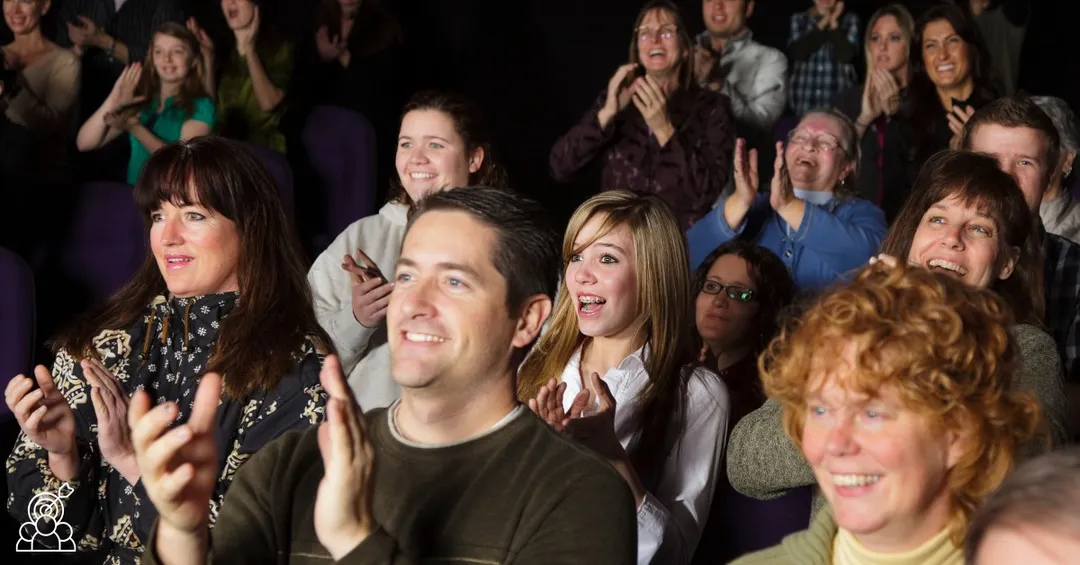
Audiences who return, not one-time buyers
CultureOwl exists to support that long-term work.
The numbers make the case. TRG Arts' sector benchmark puts first-time buyers at 66% of all ticket buyers, and only about 25% of them ever buy a second ticket. The goal is not simply to fill seats, but to cultivate audiences who return—people who build cultural habits, feel connected to their local arts community, and seek out meaning through shared experience.
That requires a different kind of infrastructure. Not just promotion, but discovery that invites exploration. Not just visibility, but sustained engagement. (For the practical side, see these audience development strategies for arts organizations.)
Why discovery matters more in the age of AI
This matters even more in a world increasingly shaped by AI.
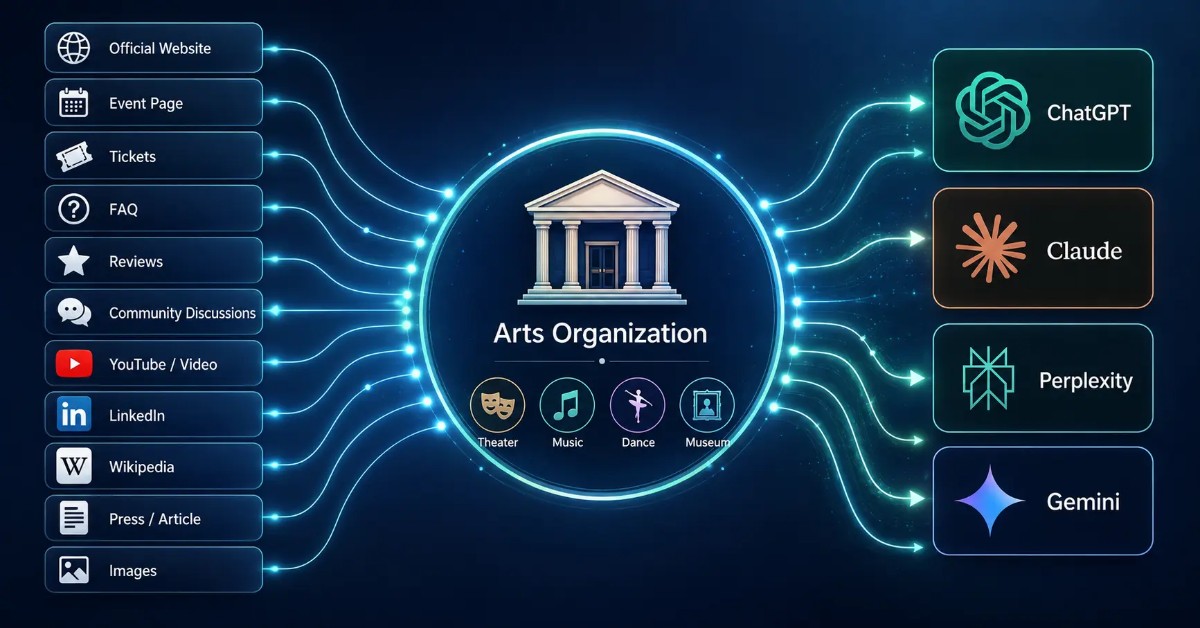
Large commercial producers already know how to feed these systems. They have the resources, the distribution, and the volume to dominate what gets surfaced online. The cultural sector is already behind: One Further's 2025 study of 100 UK cultural organizations found they appear in about 6% of relevant Google AI Overviews. Over time, that shapes the cultural output—what people see, what gets recommended, what feels discoverable.
How CultureOwl operates differently
CultureOwl is event discovery with low-cost ticketing, built for the arts. People come to it across multiple markets to find something to do, often before they know which organization they're looking for. We aggregate larger quantities of meaningful cultural programming—especially from nonprofit organizations, emerging artists, and local producers—so discovery is not limited to the biggest players or the most optimized content.
And that discovery does not stop on our platform. By structuring and amplifying real cultural programming, we help ensure it shows up across the broader digital landscape: search, social media, and the AI-driven systems increasingly shaping how audiences find what matters. AEO for arts organizations explains how that works.
Audience development as cultural infrastructure
This is audience development as cultural infrastructure.
Not selling more tickets in isolation—but expanding participation over time, and building a true culture of culture.
Because the future of the arts depends on more than marketing performance. It depends on whether more people feel invited into culture, connected to it, and part of it.
That is what CultureOwl is building, as a public benefit corporation. Explore CultureOwl Audience Growth.
Frequently Asked Questions
What is the difference between selling tickets and cultivating an audience?
Selling tickets is a single transaction. Cultivating an audience means bringing people back, so they build cultural habits and a lasting connection to the organizations they discover.
How does AI affect which arts events people discover?
AI-driven search and recommendations tend to surface whatever is best structured and most widely published. Organizations with fewer resources can be left out unless their programming is accurately described and visible beyond their own website.