Free listings on city and county portals keep an event visible, but they rarely fill seats. Arts nonprofits grow attendance when small marketing budgets work together across genres instead of one event at a time.
For many cultural organizations, “free exposure” has long been considered responsible marketing: a listing on a city or county portal, a calendar placement, a municipal arts page.
Why free listings don't fill seats
In our experience, most government-run portals are not actively marketed. They get limited traffic, little SEO investment and no coordinated audience development strategy. An event can be listed without being amplified. The research points the same way: in Culture Track '17, a national survey of more than 4,000 US adults, "I didn't think of it" was the second most common barrier to cultural participation, ranking above cost. A listing only reaches people who already know to look.
Free visibility without engagement does not get people through the door or build sustained attendance. It simply maintains presence. The full argument is in why event listings alone do not create audience growth.
From passive listing to active growth
If the goal is survival, a listing may be enough. If the goal is growth (higher attendance, deeper engagement, long-term audience development), a different approach is required.
Nonprofits often operate with modest marketing budgets. That reality does not have to limit impact. Small budgets deployed strategically can produce measurable results, as this guide to marketing cultural events with a limited budget shows. The issue is not the size of the budget. It is whether that budget is working in isolation or as part of something larger.
The power of collective strategy
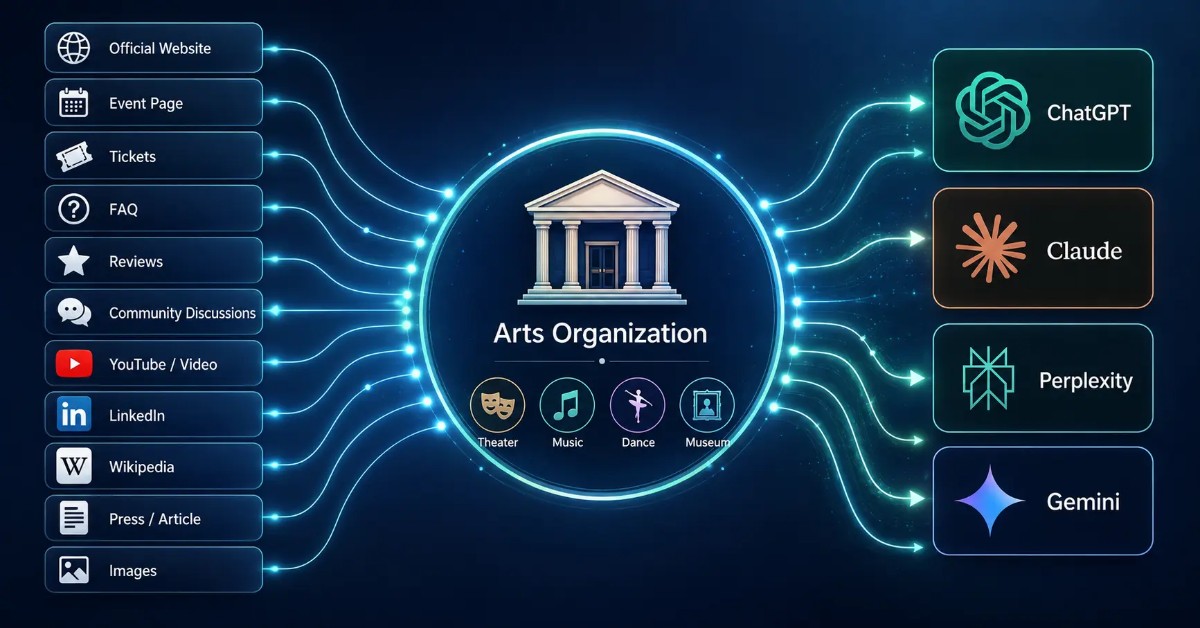
Culture does not exist in silos. Audiences overlap and interests intersect. A theater patron may attend live music. A museum member may explore a festival. A dance audience may become a film audience.
Our strategy is built on that reality:
Pool small marketing budgets.
Deploy them collectively and strategically.
Cross-promote across genres.
Encourage people to live a more culturally engaged lifestyle.
Instead of marketing one event at a time, we build momentum across the ecosystem. That is how you fill seats, and how participation grows. We call it discovery that compounds.
Built for nonprofits
CultureOwl is event discovery with low-cost ticketing, built for the arts. People browse it across multiple markets for something to do, often before they know which organization they're looking for, so member events reach audiences an organization's own channels don't.
CultureOwl is also a public benefit corporation. Strengthening the cultural ecosystem is written into our charter, and our growth is tied directly to the success of cultural producers.
What other industries might consider modest campaigns, we treat as meaningful investments. Even our largest packages are structured to align with what most arts organizations would classify as small marketing budgets. The goal is not to overspend. It is to deploy intentionally. For cultural organizations seeking measurable growth, not just placement, the model is straightforward, sustainable, and purpose-built. Explore event promotion.
Frequently asked questions
Are free event listings enough for arts nonprofits?
They keep an event visible, but most government-run portals get limited traffic and no active promotion. A listing reaches people already looking, and "I didn't think of it" is one of the most common reasons people skip cultural events.
How can a nonprofit with a small budget grow its audience?
By making that budget part of something larger: shared, cross-genre promotion that reaches people who already attend other cultural events, instead of promoting each event in isolation.
What is collective marketing for the arts?
Organizations pool modest budgets and promote across genres, so a theater audience can discover a concert and a museum member can discover a festival. Each organization benefits from the others' audiences.