Overview
Higher education arts programs operate within layered institutional structures, where programming is both abundant and continuous. Performances, exhibitions, and public-facing events are produced across disciplines, often on overlapping timelines tied to academic semesters.
At a systems level, these programs share several characteristics:
A high volume of events distributed across the year
Multiple stakeholders involved in programming and promotion
Fixed academic calendars with evolving details
A need to serve both internal audiences (students, faculty) and external audiences (public, community)
At the same time, no two institutions function identically.
Some operate through department-led models, where each discipline independently manages its own promotion. Others rely on a centralized marketing or communications office responsible for representing the full scope of programming. Many institutions exist somewhere in between, balancing autonomy with coordination.
These structural differences directly influence how consistently events are surfaced to audiences.
Partner Profile & Structure
New World School of the Arts
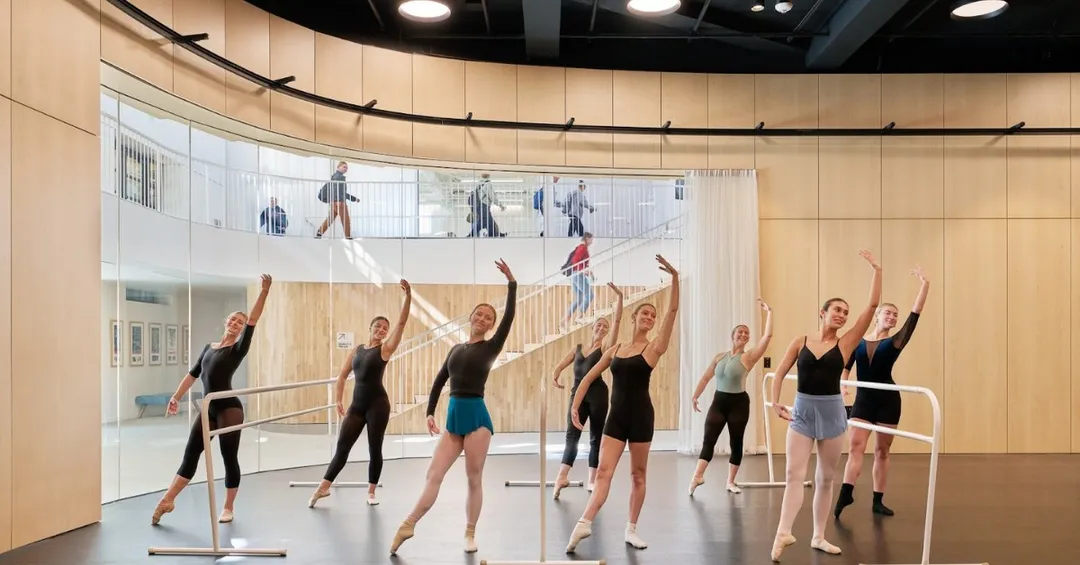
New World School of the Arts operates across four primary disciplines: dance, theater, music, and visual arts, each with its own programming cadence and internal priorities. While there is institutional oversight, much of the programming originates at the departmental level, creating a hybrid structure that requires both coordination and flexibility.
Their calendar includes:
Recurring performances across multiple departments
Exhibitions and showcases tied to academic milestones
Visiting artist engagements
Special events and interdisciplinary collaborations
This results in a dense, year-round schedule with varying levels of priority and audience reach.
How They Work Within the CultureOwl Platform Environment
Annual Framework
Through CultureOwl, New World School of the Arts operates within an ongoing annual membership structure aligned with their academic calendar.
Programming is mapped in advance as much as possible
Events are uploaded on a rolling basis as details are finalized
Priority moments are identified early, even if assets are developed later
This allows long-range planning while accommodating the realities of academic production timelines.
Centralized Visibility Across Departments
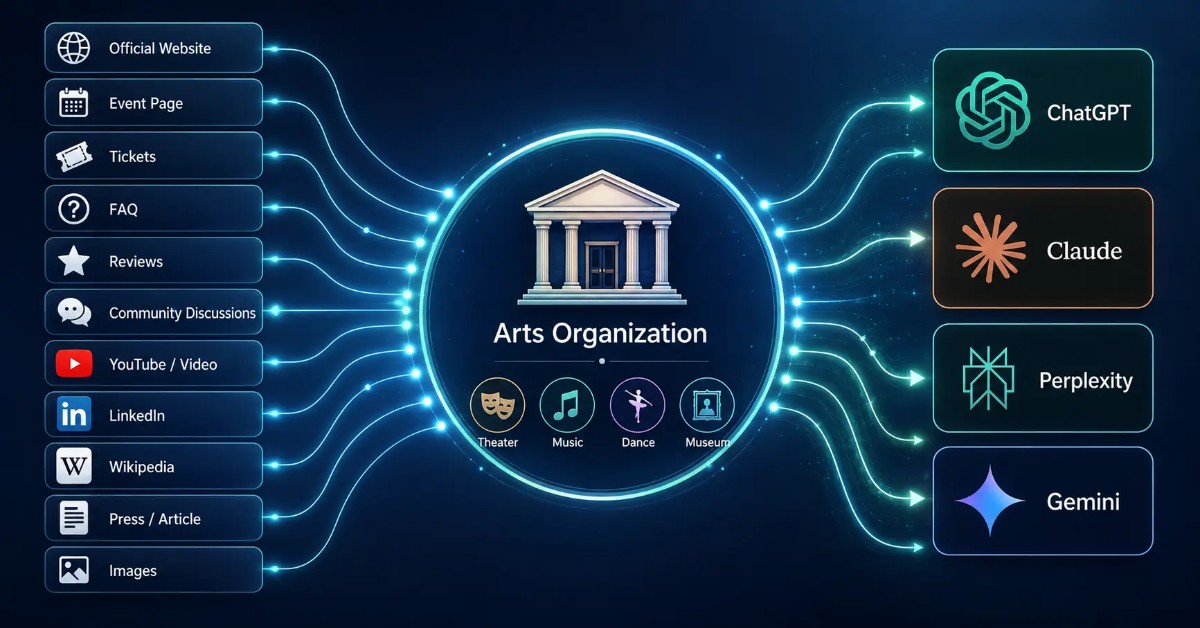
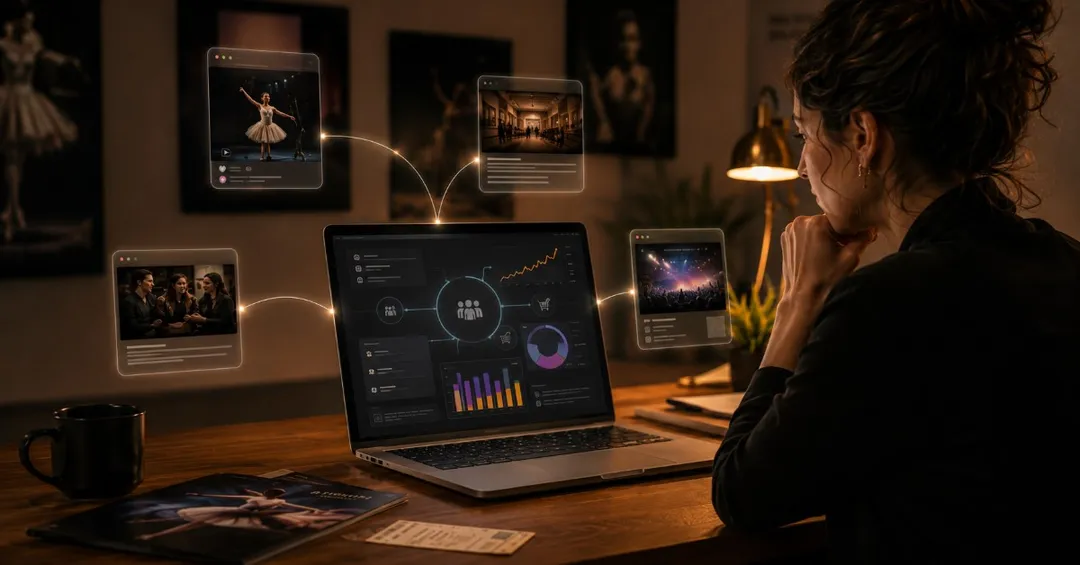
CultureOwl provides a single outward-facing layer where all public events—regardless of originating department—are aggregated.
This creates:
A unified presence across dance, theater, music, and visual arts
Consistent baseline visibility for all events
Improved discoverability for audiences navigating across disciplines
Internal workflows remain intact. The platform supports them by extending visibility beyond departmental silos.
Priority-Based Promotion
In collaboration with the institution, CultureOwl helps identify key performances and events for elevated visibility. These may include:
Major productions
Visiting artist performances
High-profile exhibitions
Institutional milestones
These events are supported through additional placements such as:
Banner features
Email inclusion
Social media promotion
Other events remain consistently visible within the system, ensuring continuity across the full calendar.
Ongoing Coordination
Because the broader schedule is understood in advance, CultureOwl supports ongoing coordination throughout the year:
Reminders for upcoming events that require assets (such as banners or imagery)
Adjustments as programming evolves
Alignment of promotion timing with when materials are finalized
This reduces pressure on internal teams and supports more consistent execution.
Editorial Inclusion
Through CultureOwl’s editorial layer, New World School of the Arts is included in broader cultural coverage when relevant. This may include:
Features on visiting artists
Recognition of alumni achievements
Inclusion in articles tied to larger cultural conversations
This extends visibility beyond individual listings and positions the institution within a wider cultural context.
Considerations for Higher Education Marketing Teams
For teams managing arts programming, the challenge is often organizational rather than creative.
How are events coordinated across departments?
Is there a unified public-facing view of programming?
How are priority events identified and supported?
How far in advance can planning realistically occur within an academic cycle?
Addressing these questions can help align internal structure with audience engagement, ensuring that the full scope of programming is both visible and accessible.