The Colosseum’s New Encore: From Gladiators to Global Music Stages
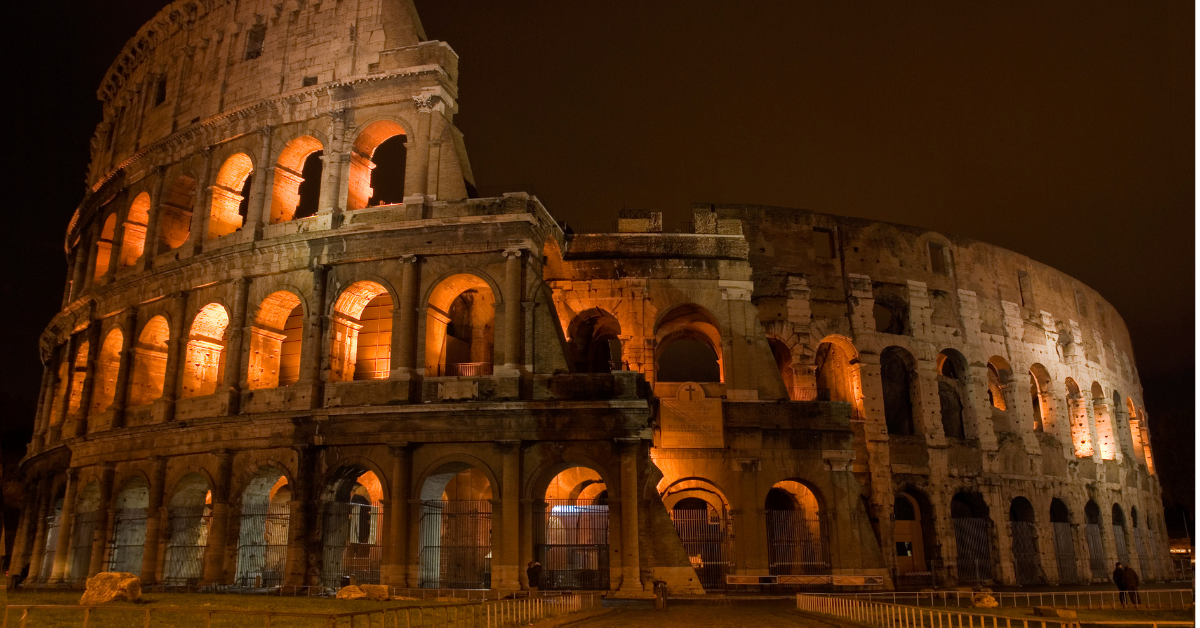
From Spectacle to Symphony: A Brief History of Performance in the Colosseum
Nearly two thousand years ago, the Colosseum was the heartbeat of Roman entertainment—a massive amphitheatre where gladiators clashed, wild beasts roared, and emperors presided over a roaring crowd of fifty thousand. Its stone corridors once echoed with cheers and fear, a soundscape as theatrical as any opera.
But over time, the tone shifted. Centuries of history and restoration transformed this ancient arena from a stage of survival to a monument of memory. When live performances finally returned, they did so in reverent whispers rather than fanfare—special concerts designed not to overwhelm, but to honor the space.
In the 21st century, a few bold moments stood out: Paul McCartney performed here in the early 2000s in a benefit concert that reverberated around the world, while Italian tenor Andrea Bocelli brought classical grandeur to the same stones that once witnessed empire. More recently, international artists have begun returning to this sacred space, treating it as both a stage and a symbol—a place where ancient Rome and modern sound briefly meet.
The Colosseum’s upcoming schedule is evolving in fascinating ways. Officials have confirmed a renewed openness to select live performances, with the focus firmly on heritage-conscious music experiences. Expect classical, operatic, and film-score performances rather than large-scale pop concerts. These are curated with preservation in mind—small audiences, acoustic setups, and lighting that flatters the architecture rather than competes with it.
Recent test events and proposals hint that we’ll see more intimate “one-night-only” performances over the next year. Some will be collaborations with cultural foundations and orchestras, while others may accompany historical exhibitions or major Roman festivals. Think Gladiator Live screenings, classical tributes, and charity galas beneath the night sky—not thundering amplifiers.
It’s the start of a subtle transformation: the Colosseum as a living stage again, but on its own dignified terms.
Imagine standing beneath those towering arches as twilight settles over Rome. The air hums—not with the crowd’s frenzy, but with anticipation. The orchestra tunes. The lights wash softly across the stone. Each note seems to ricochet off history itself.
Concerts here are deliberately intimate—audiences are kept small, often fewer than a thousand, creating a near-private atmosphere. Seating and access are tightly controlled to protect the structure, which means the experience feels exclusive by design. You’ll enter through designated pathways, pass through layers of security, and find yourself in the open-air arena where emperors once watched from gilded seats.
Because these events happen at night, the Colosseum takes on another personality: quieter, luminous, almost cinematic. It’s not just a concert—it’s a communion between past and present.
While the Colosseum doesn’t host regular tour-date concerts like modern arenas, there are a few smart ways to stay ahead of announcements:
- Follow official cultural calendars from the Italian Ministry of Culture and Rome’s tourism board.
- Watch for classical or charity events tied to major anniversaries or film soundtracks.
- Book early—tickets often disappear within days due to limited capacity.
- Plan your exit—after-event traffic near Piazza del Colosseo can be intense, so local transport or nearby stays are essential.
The Colosseum’s foray into live music isn’t just about entertainment—it’s about reclaiming cultural energy in one of history’s most symbolic spaces. Rome has long wrestled with how to keep its monuments alive without commercializing them. Music, done right, offers an elegant solution: it breathes life into the stones while respecting their silence.
To hear an aria drift through those arches or a cello resonate against the marble tiers is to feel time fold in on itself. The past doesn’t vanish—it harmonizes.
So, while you won’t find the Colosseum on every world tour itinerary, when a concert does grace its arena, it’s an event for the ages.
The Colosseum has always been a stage—for empire, myth, and now, melody. Its next act isn’t about spectacle but resonance: the sound of history keeping rhythm with today.
Similar Posts
Dior and SCAD: Inside a Rare Collaboration Between Fashion House and Art School
Balloon Museum Expands Its Global Tour With POP AIR – Art Is Inflatable
A love letter in couture: Dolce&Gabbana at ICA Miami
When the Body Carries the Argument: What Makes a Dance Performance Great
The Joy of Sitting in the Front Row at a Small Theater
The Unspoken Magic of Opening Nights
10 Cities That Belong on Every Cultural Traveler’s Bucket List

Funding the Arts at Home, Pulling Back Abroad

Artists Are Not Being Replaced by AI—And the Fear Misses the Deeper Truth

New World School of the Arts Alum Leonardo Castañeda Selected for the 2026 Whitney Biennial
Crossroads of Culture: Highlights from Art Basel Miami Beach 2025