Tracing how art has shaped and reflected human society across history:
Art has always been more than decoration—it is humanity’s mirror, memory, and imagination. Across continents, the arts have carried the stories of civilizations, shaping culture while reflecting how societies see themselves. From ancient rituals to digital revolutions, the evolution of art across Africa, Asia, the Americas, and Europe shows us the shared threads of creativity that bind humanity.
Origins: Art as Survival and Ritual
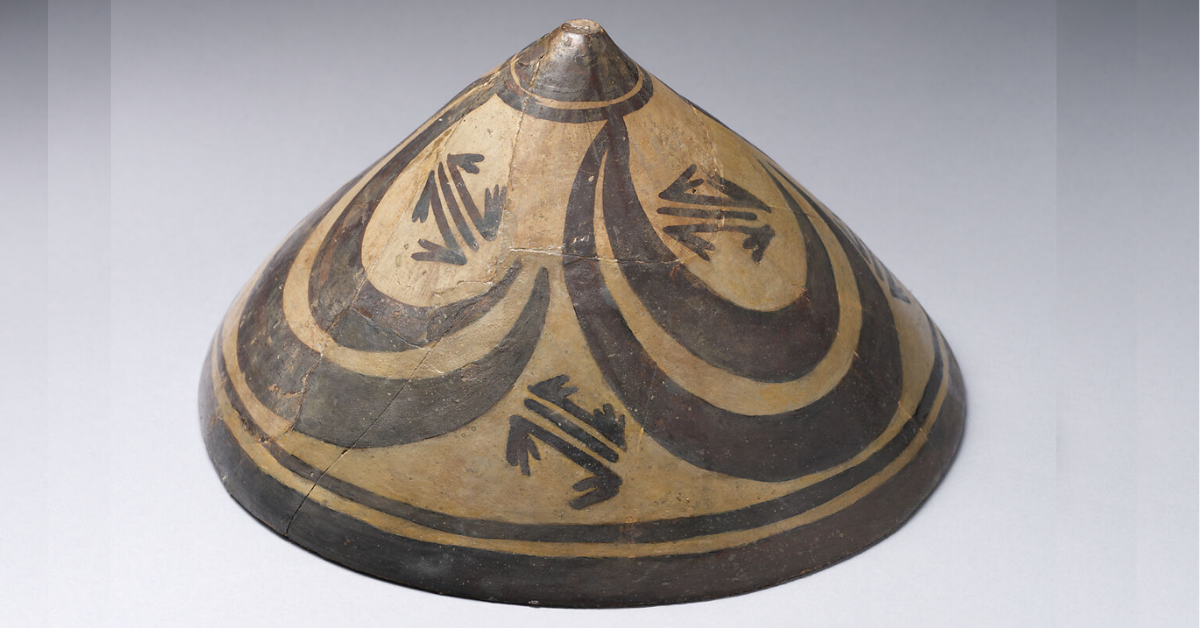
Long before written language, humans used art to explain the world around them. Cave paintings in Lascaux (France), Bhimbetka (India), and Tassili n’Ajjer (Algeria) reveal early rituals of hunting and survival. In the Americas, petroglyphs and geoglyphs like Peru’s Nazca Lines mapped cosmology into the land itself. In Africa, masks and carved figurines embodied spiritual power, linking human communities to ancestors and deities. These early works weren’t “art” as we define it—they were living culture, woven into ritual, storytelling, and community identity.
Ancient Civilizations: Art as Power and Legacy
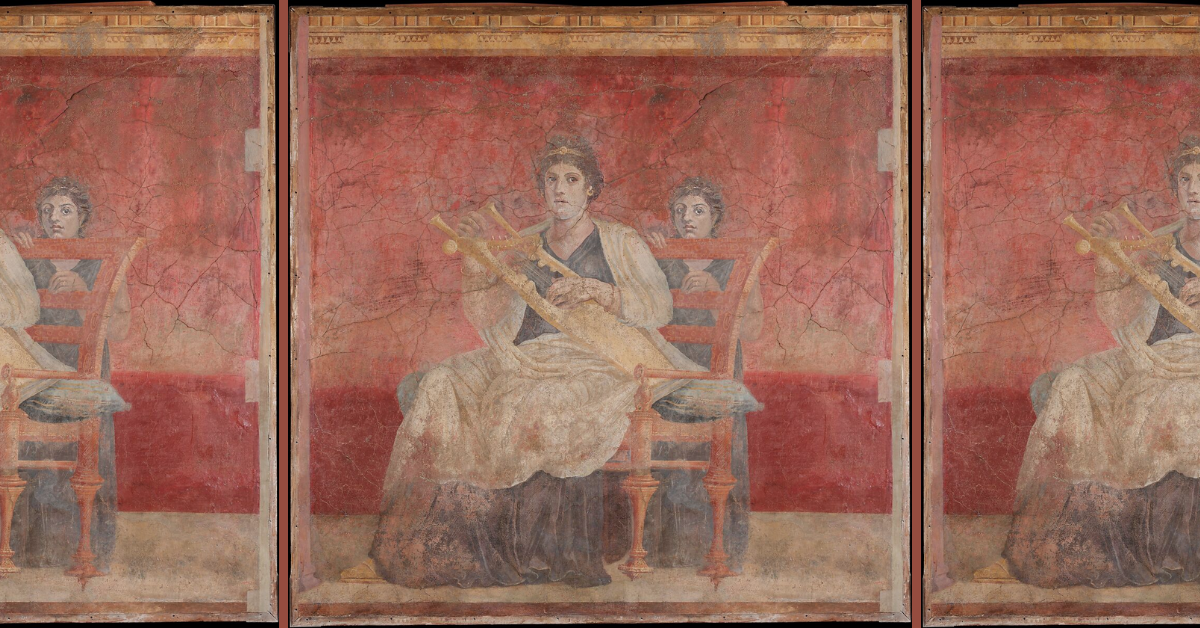
Wall painting from Room H of the Villa of P. Fannius Synistor at Boscoreale. Late Republican, ca. 50–40 BCE. Roman. Fresco. The Metropolitan Museum of Art, New York, Rogers Fund, 1903.
From Egypt to the Andes, art became a tool of power and preservation. In Ancient Egypt, pyramids and hieroglyphs immortalized rulers and beliefs about the afterlife. Across Mesopotamia and Persia, monumental reliefs and architecture reinforced empire and order. Meanwhile, in China, bronzeware, jade carvings, and early calligraphy cultivated aesthetics tied to philosophy and statecraft. India gave rise to Buddhist stupas and Hindu temples that became cultural hubs, blending sculpture, music, and devotion. In the Americas, the Maya, Inca, and Aztec built temples, codices, and murals that linked celestial cycles to human destiny. Each tradition shows how art was inseparable from governance, spirituality, and cosmic understanding.
Middle Ages: Art as Devotion and Symbolism
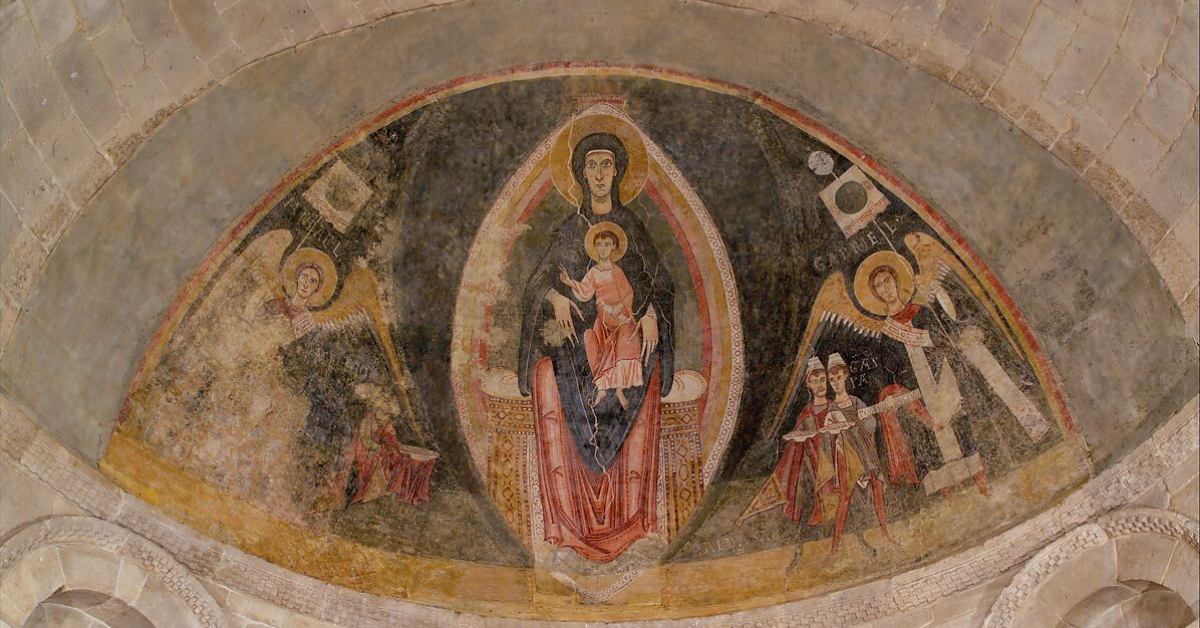
The Virgin and Child in Majesty and the Adoration of the Magi. Attributed to the Master of Pedret (Spanish, Catalonia, 12th century). Ca. 1100. Lleida, Catalonia, Spain. Fresco transferred to canvas. The Metropolitan Museum of Art, New York, The Cloisters Collection, 1950.
Between the 5th and 15th centuries, art across the world was driven by faith. In Europe, illuminated manuscripts, cathedrals, and stained glass guided the faithful. In Islamic cultures spanning from North Africa to Persia, calligraphy, geometric design, and architecture like the Alhambra embodied both devotion and scientific precision. Africa’s kingdoms—from Mali to Ethiopia—developed artistic traditions blending Islamic, indigenous, and Christian motifs, seen in manuscripts, textiles, and architecture like Lalibela’s rock-hewn churches. In Asia, Zen-inspired ink paintings in Japan, detailed mandalas in Tibet, and temple art in Cambodia’s Angkor Wat reflected layered spiritual worlds. Culture in this era was not only preserved but performed—through theater in Japan (Noh) and oral epics in West Africa (griots).
Renaissance & Enlightenment: Humanism and Innovation
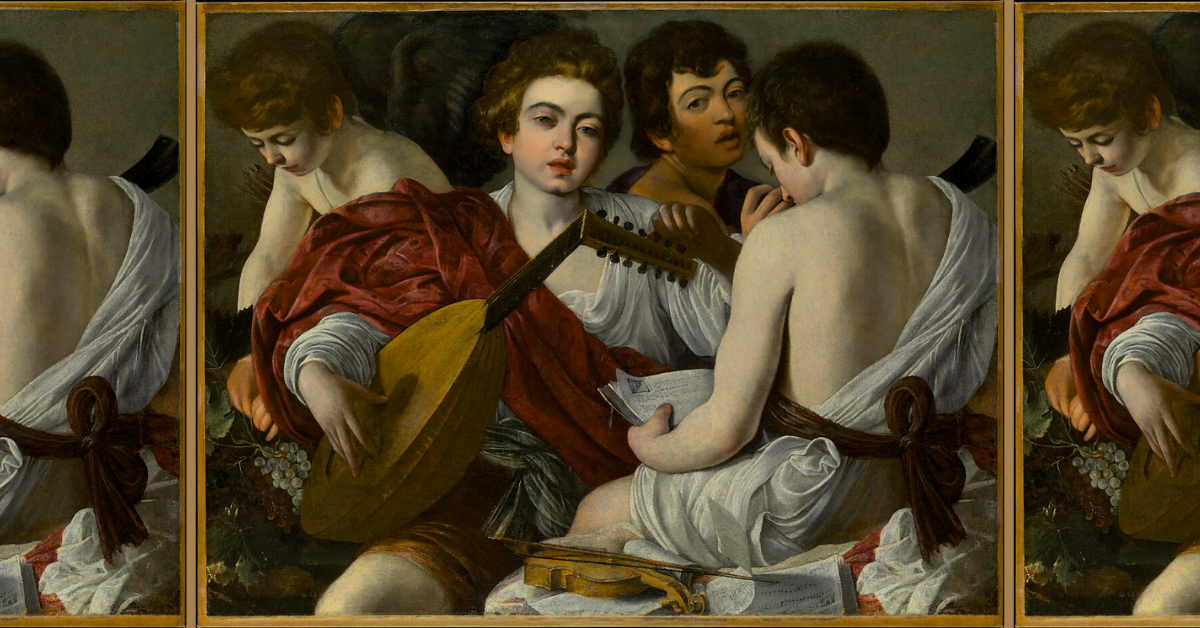
The Musicians. Caravaggio (Michelangelo Merisi, Italian, Milan or Caravaggio 1571–1610 Porto Ercole). 1597. Oil on canvas. The Metropolitan Museum of Art, New York, Rogers Fund, 1952.
The European Renaissance is well-known for perspective, realism, and a rebirth of classical ideals—but other renaissances were flourishing globally. In China’s Ming dynasty, porcelain, landscape painting, and opera reached new heights. In India, the Mughal courts produced exquisite miniatures and monumental architecture like the Taj Mahal, blending Persian and Indian styles. In West Africa, the Benin Bronzes demonstrated extraordinary craftsmanship and cultural identity. Meanwhile, in the Americas, Indigenous art continued to thrive despite colonization, seen in textiles, pottery, and sacred dances that preserved cultural resilience. The global exchange of this era—through trade, conquest, and migration—meant art increasingly crossed borders, reshaping culture worldwide.
Industrial Era: Art as Social Commentary
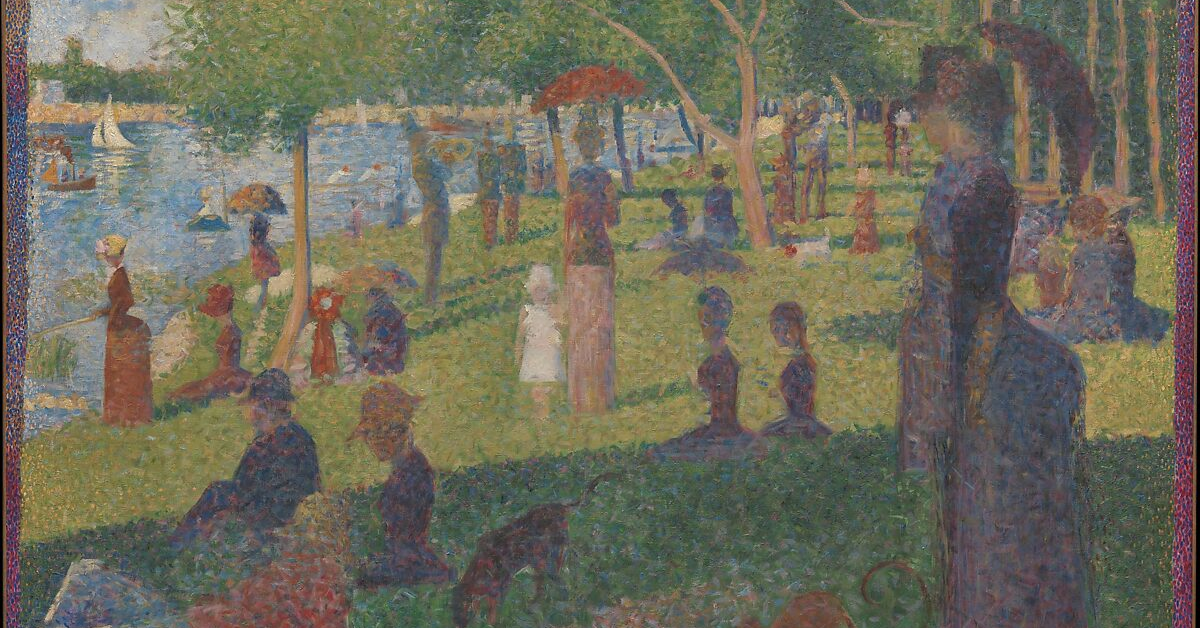
Study for "A Sunday on La Grande Jatte." Georges Seurat (French, Paris 1859–1891 Paris). 1884. Oil on canvas. The Metropolitan Museum of Art, New York, Bequest of Sam A. Lewisohn, 1951.
The 18th and 19th centuries brought seismic shifts. In Europe and the U.S., Romanticism and Realism responded to industrialization and social upheaval. Japan’s ukiyo-e prints, later influencing Impressionists like Van Gogh, celebrated urban pleasures while commenting on transience. In Africa and the Caribbean, art became both a continuation of traditions and a subtle form of resistance under colonial rule. In Latin America, muralists like Diego Rivera and indigenous artisans reclaimed public space with stories of workers, revolution, and heritage. Art was increasingly democratized, available in prints, posters, and public murals—not just courts and temples.
Modernism & Avant-Garde: Art as Experiment
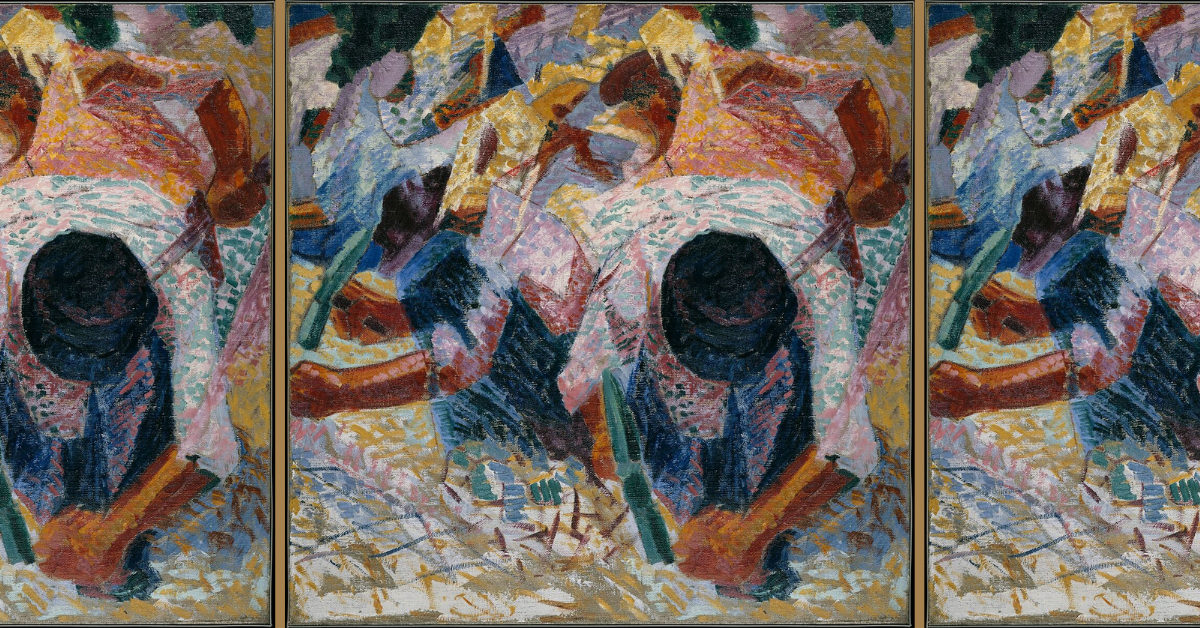
The Street Pavers. Umberto Boccioni (Italian, Reggio 1882–1916 Sorte). 1914. Oil on canvas. The Metropolitan Museum of Art, New York, Bequest of Lydia Winston Malbin, 1989.
The 20th century exploded with new forms. In Europe and the Americas, Cubism, Surrealism, and Abstract Expressionism shattered conventions. In Mexico, Frida Kahlo blended personal narrative with indigenous iconography, reshaping cultural identity. Across Africa, artists integrated traditional forms with modern movements, sparking post-independence aesthetics that defined national identities. In Asia, Japanese Gutai artists broke ground with experimental performance, while Indian modernists fused traditional motifs with bold abstraction. The arts became a stage for questioning power, colonialism, identity, and even the nature of art itself.
Contemporary Era: Art as Identity and Connection
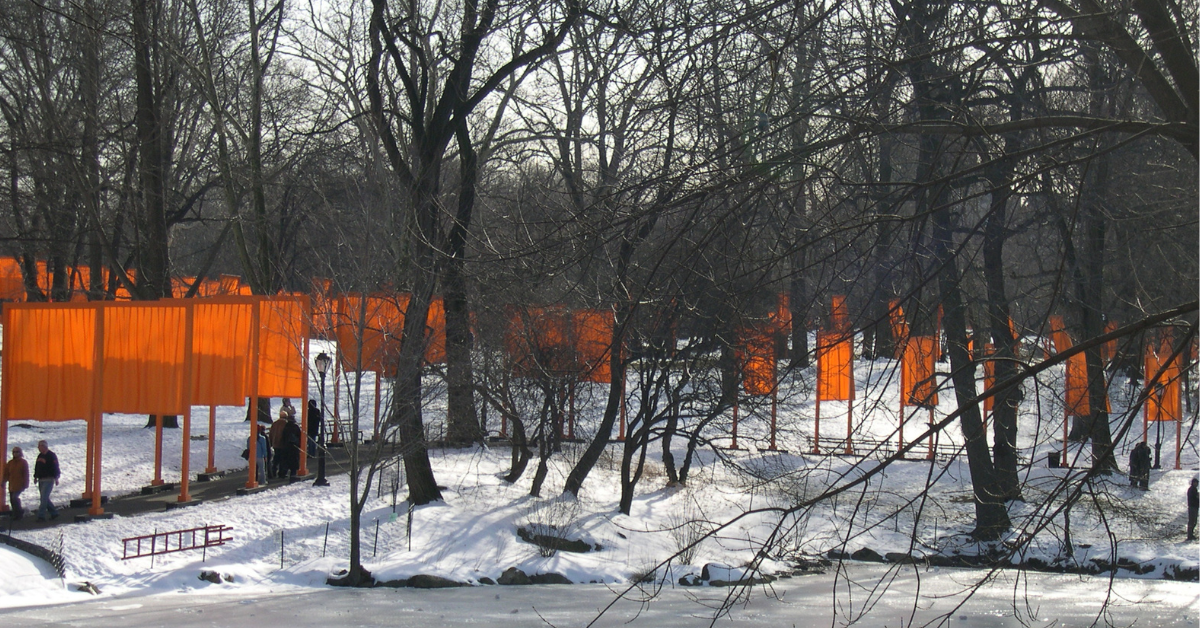
By CultureOwl
Today, art is global, digital, and participatory. African artists like El Anatsui and contemporary fashion designers reframe traditional materials in modern contexts. In Asia, K-pop, anime, and digital art fuel global cultural flows. In the Americas, Indigenous and Afro-descendant artists reclaim narratives through visual arts, music, and literature, while urban art like street murals transforms cityscapes worldwide. Festivals—from Carnival in Brazil to Biennales in Venice, Dakar, and Shanghai—make art an international dialogue. At the same time, digital platforms let creators from every corner of the world share, remix, and redefine culture in real time.
The Ongoing Evolution: Art as Participation
The evolution of culture through the arts is no longer linear or regional—it’s a global mosaic. Traditions from Africa, Asia, the Americas, and Europe coexist, collide, and collaborate, creating hybrid forms that speak to shared human struggles and hopes. As technology, migration, and activism continue to reshape society, the arts remain the connective tissue of culture—documenting change, sparking dialogue, and keeping creativity at the heart of human experience.
In essence: Culture and art are inseparable. From sacred caves to digital canvases, art has always been how humanity evolves its culture. Every region’s traditions—whether through African masks, Asian calligraphy, Indigenous textiles, or European cathedrals—add to the collective story of who we are and where we’re headed. As societies evolve, the arts not only mirror those changes but also push them forward—challenging norms, amplifying new voices, and constantly redefining what it means to be human.
Similar Posts
Dior and SCAD: Inside a Rare Collaboration Between Fashion House and Art School
Balloon Museum Expands Its Global Tour With POP AIR – Art Is Inflatable
A love letter in couture: Dolce&Gabbana at ICA Miami
When the Body Carries the Argument: What Makes a Dance Performance Great
The Joy of Sitting in the Front Row at a Small Theater
The Unspoken Magic of Opening Nights
10 Cities That Belong on Every Cultural Traveler’s Bucket List
Funding the Arts at Home, Pulling Back Abroad
Artists Are Not Being Replaced by AI—And the Fear Misses the Deeper Truth
New World School of the Arts Alum Leonardo Castañeda Selected for the 2026 Whitney Biennial
Crossroads of Culture: Highlights from Art Basel Miami Beach 2025