Crossroads of Culture: Highlights from Art Basel Miami Beach 2025
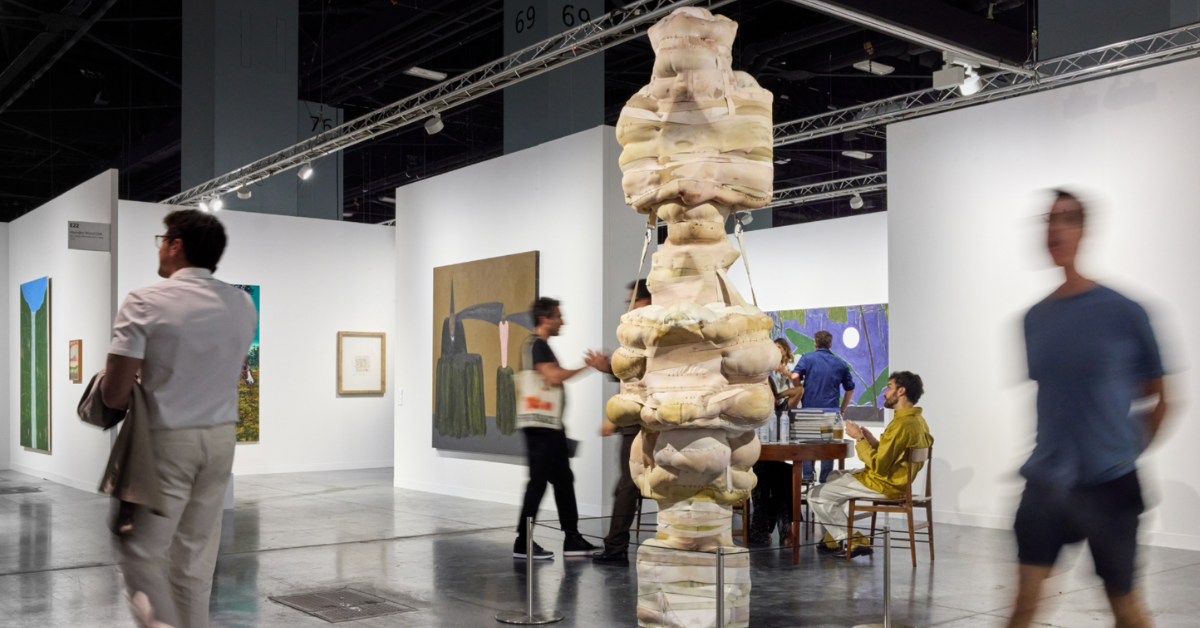
From December 4–7, Miami Beach became the gravitational center of the art world. The 23rd edition of Art Basel Miami Beach drew 283 galleries from 43 countries, pulling first-time exhibitors and blue-chip veterans into one electric circuit. More than 80,000 collectors, curators and cultural pilgrims flooded the halls, while leaders from more than 240 museums and foundations came to witness the fair that anchors the Americas.
"Art Basel Miami Beach stands at the intersection of culture and the market — a platform where artistic vision and economic energy converge to define what comes next," said Bridget Finn, Director, Art Basel Miami Beach. "Each edition responds to the urgency and ambition of its moment while laying groundwork for the future.”
Finn’s second year at the helm pushed the conversation forward. Her team shaped a presentation defined by precision, curiosity and momentum; a space where artists, galleries and patrons collided to surface new ideas and challenge old narratives. The fair amplified Latinx, Indigenous and diasporic perspectives and reframed Modernism through a wider, cross-continental lens, stretching from mid-century icons to boundary-breaking contemporary voices.
The Survey sector turned its lens toward artists whose practices continue to echo across generations. This year’s edition gathered 18 galleries, including 12 newcomers, to reintroduce overlooked figures and reframe the contributions of artists who shaped the foundations of contemporary art. The sector spotlights legacies that demand renewed attention and new contexts.
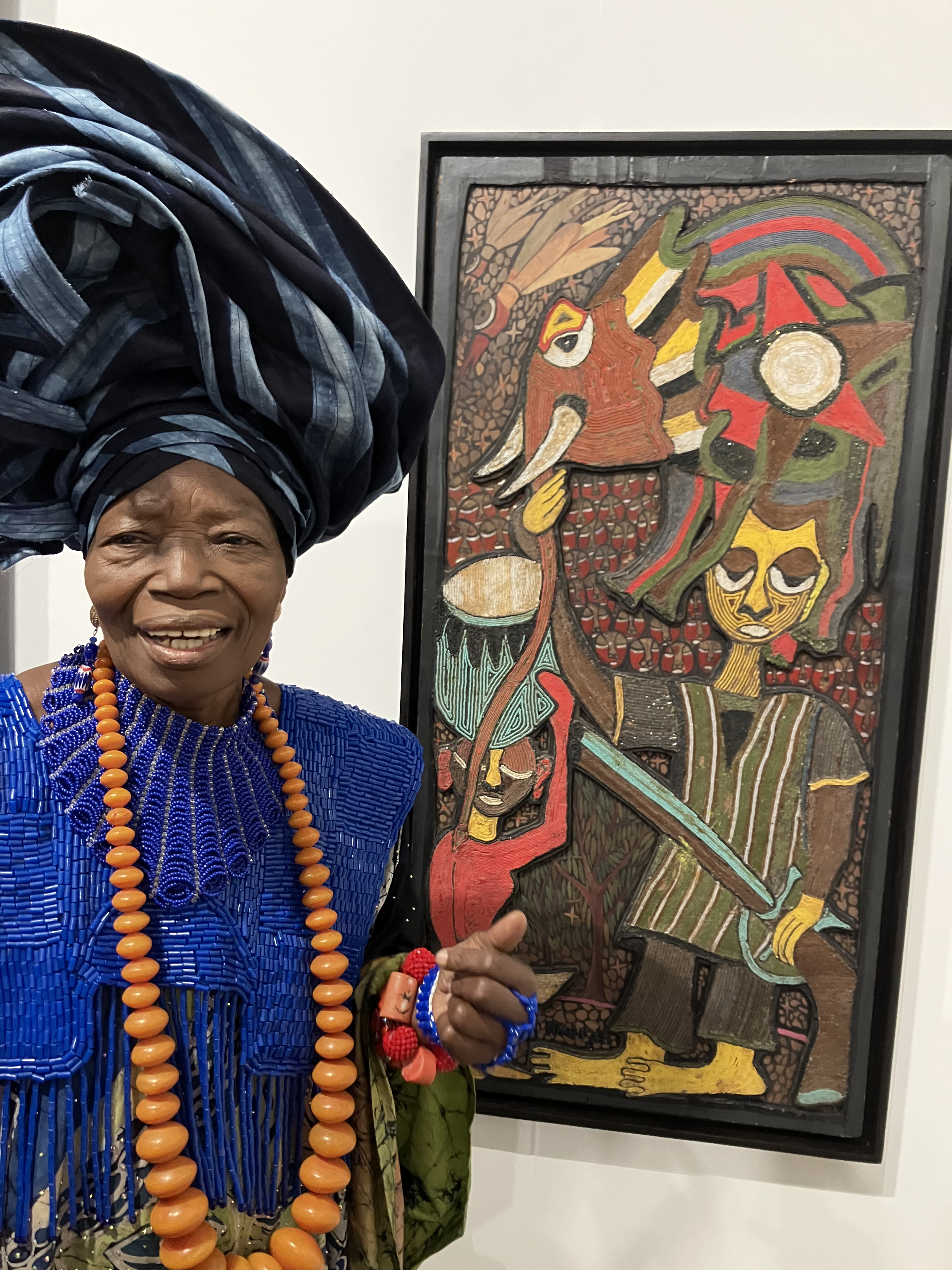
The gallery, kó featured Nigerian Yoruba artist and textile pioneer Nike Davies-Okundaye, a defining force in post-independence Nigerian modernism. Renowned for her indigo-dyed cloth, batik and intricate embroidery, she has spent decades evolving Adire traditions while anchoring them firmly in the present. Since founding her Lagos workshop and gallery, she has mentored a rising generation of artists and safeguarded the country’s textile heritage. With a global exhibition history and widespread acclaim, Davies-Okundaye stands as one of Africa’s most influential artistic voices.
Since its launch in 2003, the Nova sector has become the fair’s proving ground for breakthrough work made within the last three years. This edition brought together 23 galleries and 22 tightly honed presentations, many of them solo showcases that trace the newest directions in contemporary art. Eight first-time participants added extra lift to the sector.
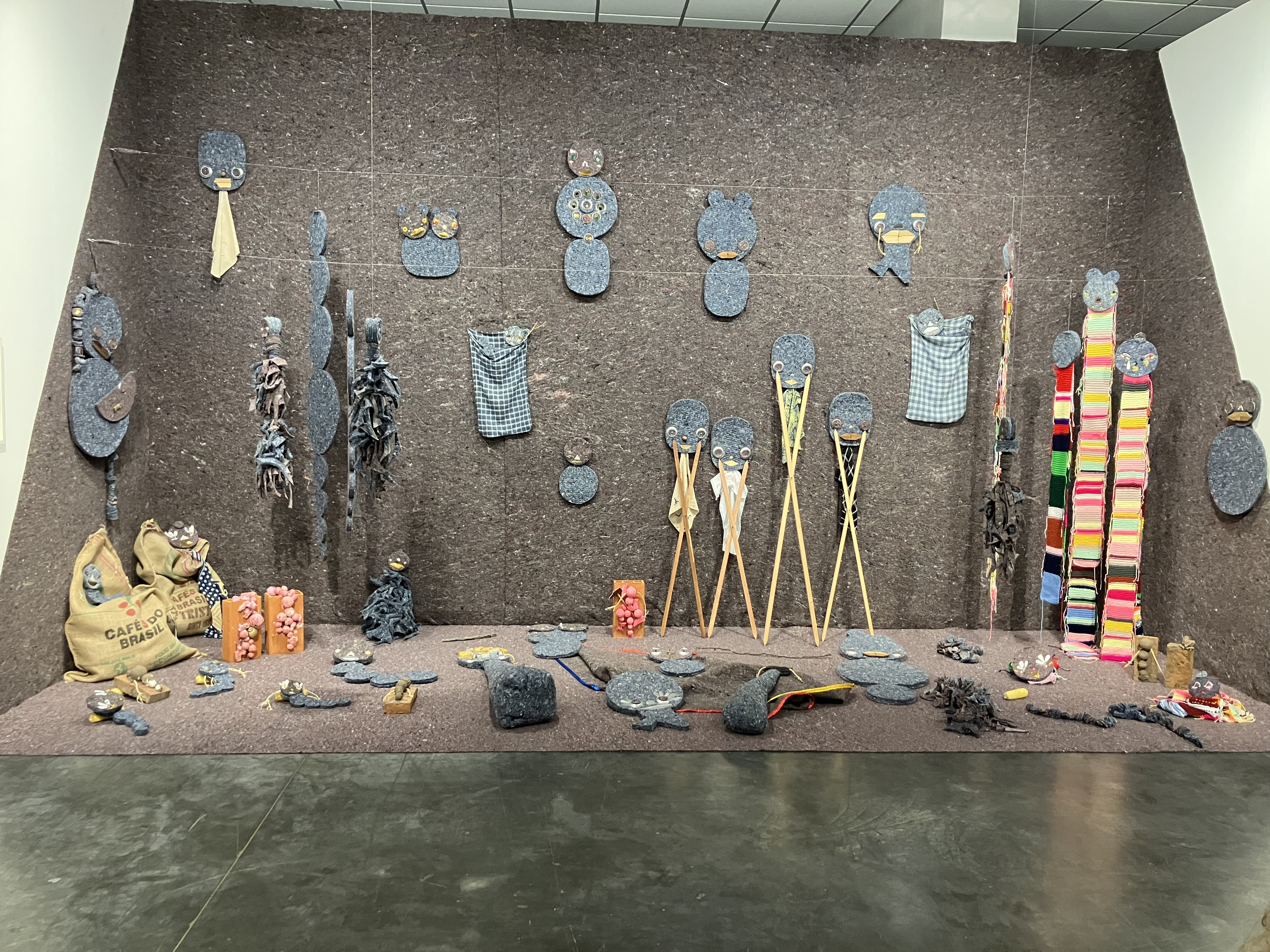
W—galería showcased Argentine artist Claudia Del Río in Formas Respirantes, an immersive installation of textiles, aluminum, wood, felt, jewelry, and bricks exploring protection, place, and the act of inhabiting. Rooted along the Paraná River, Del Río’s practice spans drawing, embroidery, ceramics, writing, activism, and teaching, transforming everyday materials—from river clay to repurposed Coca-Cola cans—into layered collages and sculptural gestures. The felt-forward installation distilled both the scope of her history and the urgency of her current work.
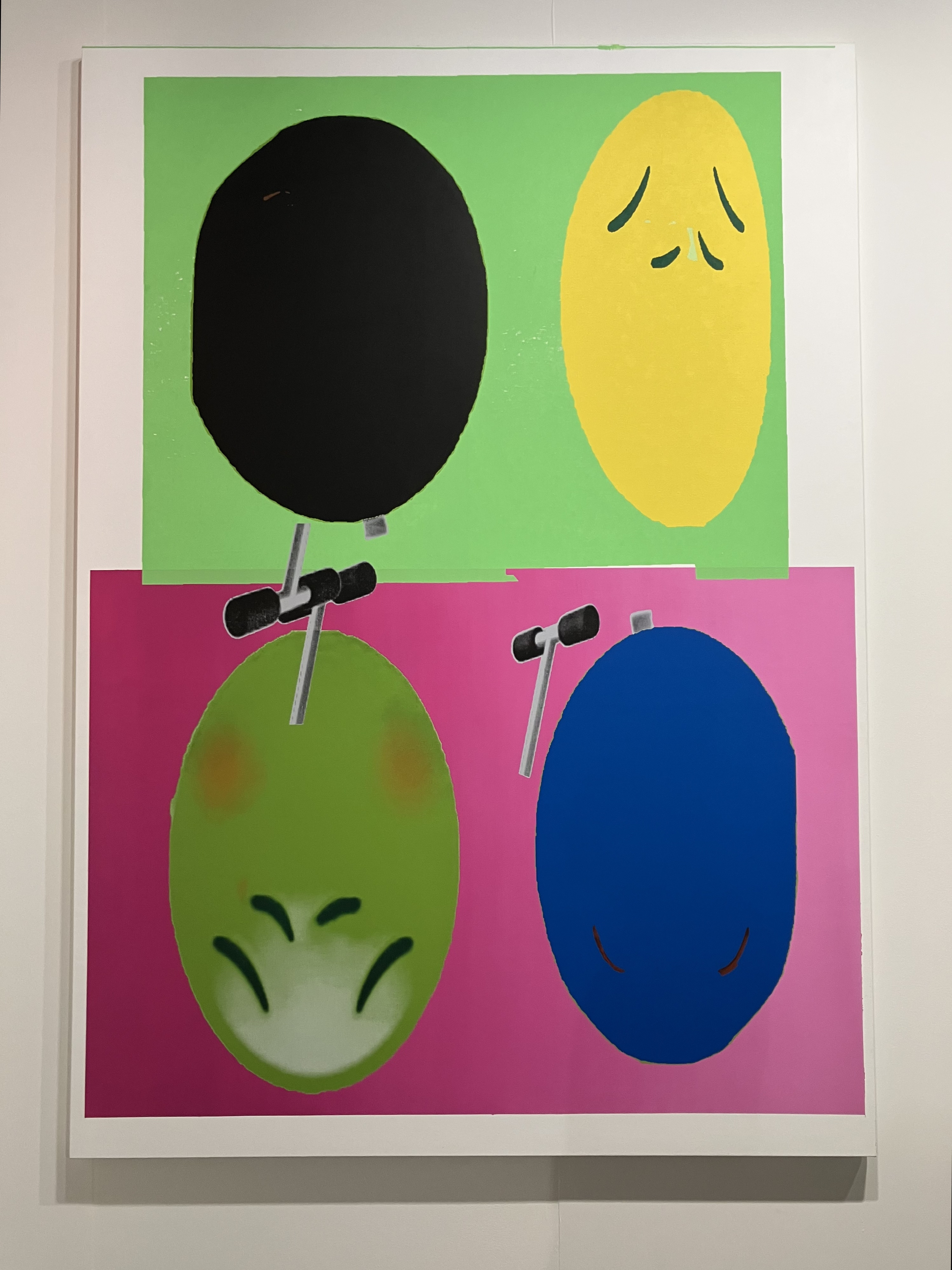
The Positions sector remains the fair’s sharpest window into rising talent. Through 16 solo booths (including 10 newcomers), the sector gave collectors, curators and institutions a direct line to artists reshaping conversations around materiality, perception and the evolving human condition. It’s always a perennial standout, known for surfacing voices that challenge power, embrace sensuality and expand ideas of identity.
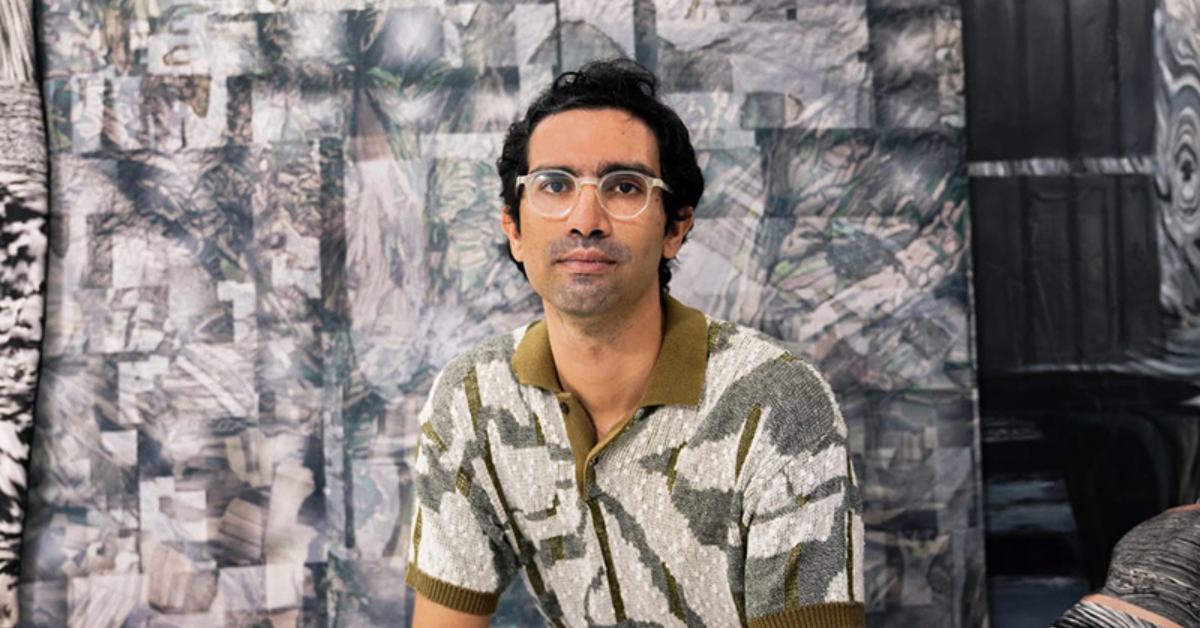
Galerie Allen presented Swiss artist Linus Bill in a solo showcase - digital drawings turned into paintings - that revealed the subtle complexity driving his practice. A graduate of the Zurich University of the Arts, Bill stretches JPG photography into the physical realm: moving from image capture to darkroom work to digital reworking before transforming each piece through silkscreen. The artist’s final works emerge as vivid, layered compositions that sit between photograph and object.
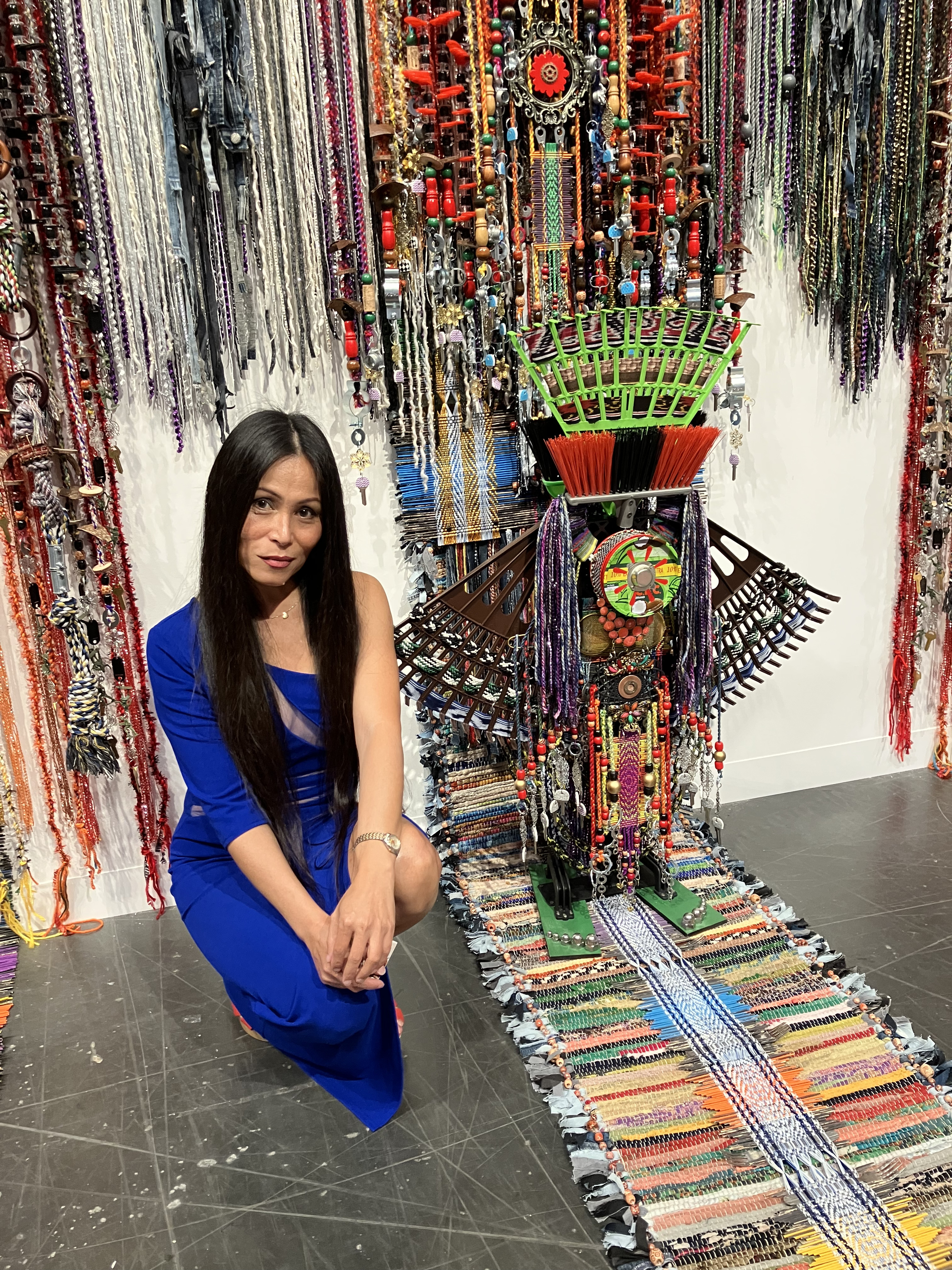
The Meridians sector returned as the fair’s curatorial epicenter with its sixth edition, bringing together multigenerational, international artists whose large-scale, institutional-grade works explore how art can embody, distort or suspend time. Through immersive video, ambitious sculpture and expansive installations, Meridians framed the Americas as a network of ideas and cultural exchange, offering fresh perspectives on history, technology and human experience while pushing the boundaries of what a fair can present.
Marc Straus Gallery presented a solo exhibition by Malaysian artist Anne Samat, now based in New York. A trans artist and activist, Samat channels her journey of self-discovery and empowerment into vibrant, totemic sculptures. Drawing on traditional weaving techniques of the Iban people (including songket and pua kumbu), her massive installation composed of 200–300 pieces was a memorial to her late mother. Upcycled objects sourced from scrap yards and estate sales, from swords, keys, beads, chains, and fabric strips to broom heads, yarn, rakes and more- magically transformed into one brilliantly colorful altar, merging personal history, ritual, and everyday materials into a powerful, immersive statement.
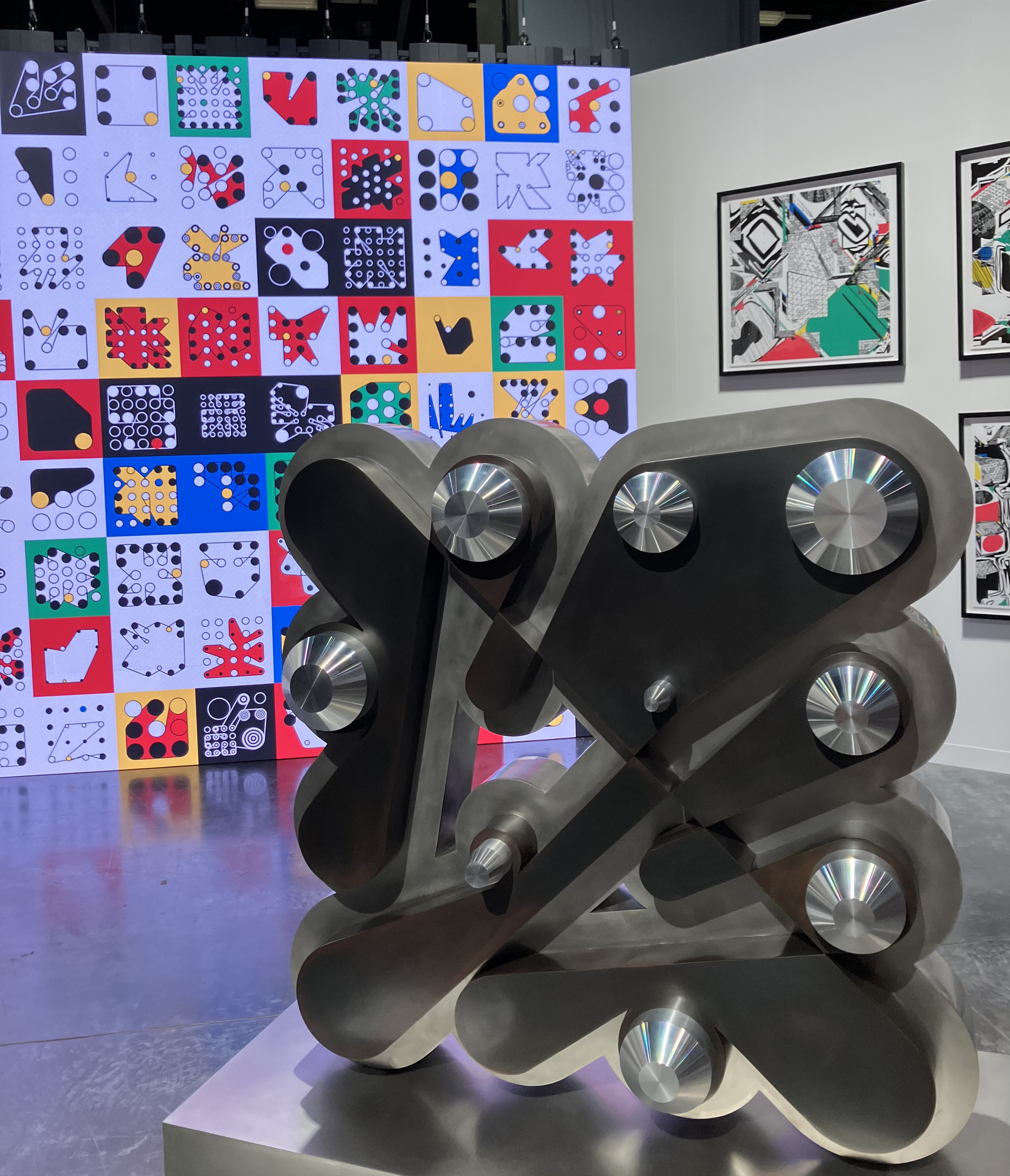
Zero 10 made its striking debut as Art Basel’s dedicated space for digital-era art, assembling 12 international exhibitors to rethink how this work is experienced, interpreted and collected. The sector stakes a bold claim for the future, signaling a long-term commitment to empowering the next generation of artists, coders and innovators in a rapidly evolving digital landscape.
Based in New York City, Canadian algorithmic artist and coder Dmitri Cherniak was featured by AOTM Gallery in a multimedia installation that pushed code into three dimensions for the first time. Cherniak’s monumental sculpture (stainless steel, patina, and machined aluminum) intersected with a new algorithm exploring polygonal offsets, realized across digital and print forms and a series of unique blockchain-based assets. The artist considers “automation as a medium” and the exhibit merged color, play, precision and technology in an immersive, vibrant and daring way.
The Galleries sector anchored the fair with a dynamic panorama of artistic practice, spanning historic rediscoveries to daring contemporary statements. Featuring 226 leading dealers from the Americas, Europe and beyond, it showcased everything from museum-quality works by twentieth-century masters to the most vital expressions of today - reinforcing the fair’s status as a central crossroads for artistic and cultural exchange across the hemisphere.
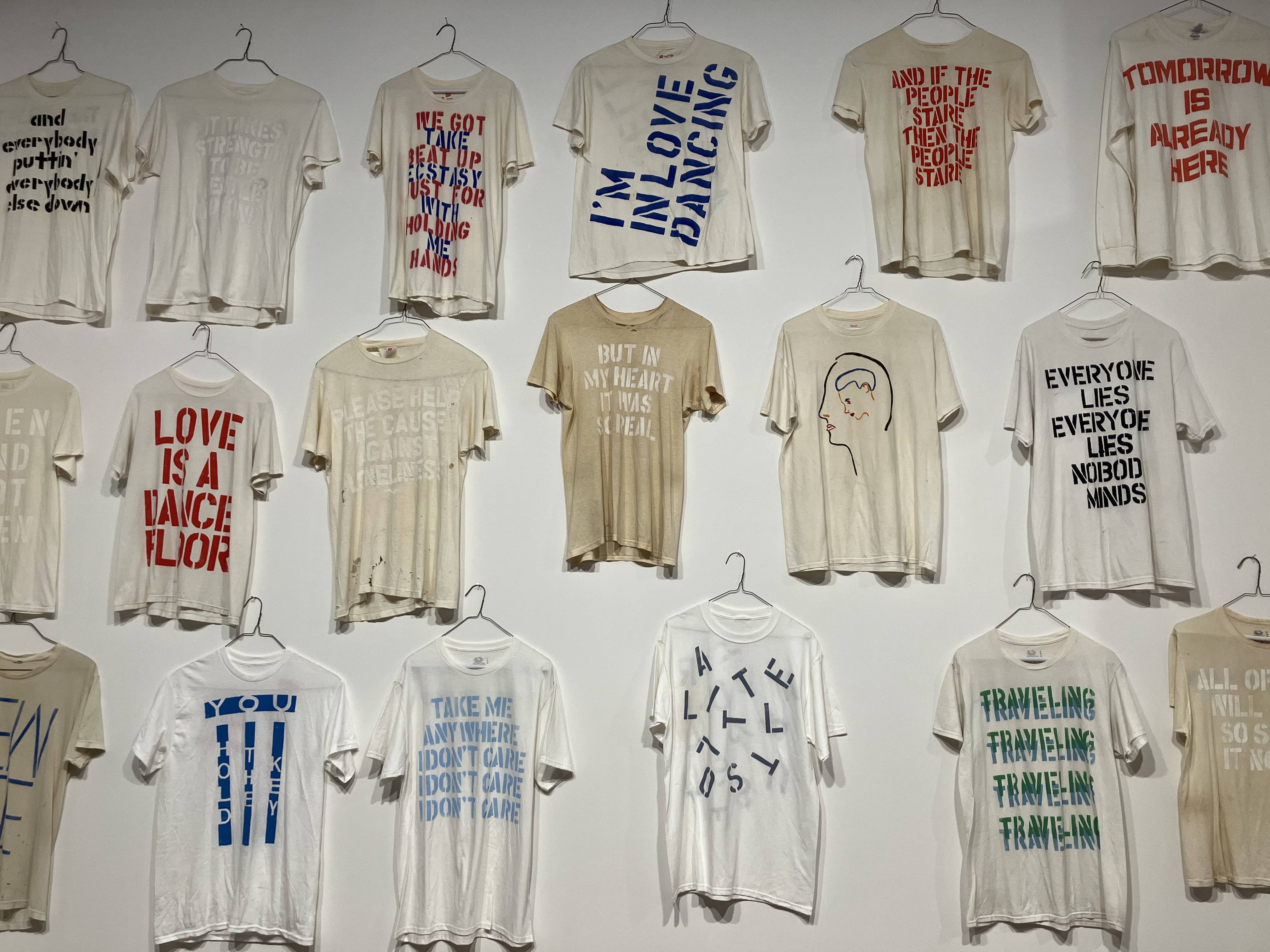
Within the Galleries sector lies the Kabinett sector, considered a “booth within a booth.” It delivered focused presentations from 29 galleries - compelling new work alongside rarely seen or rediscovered practices.
New York–based CANADA gallery showcased Marc Hundley T-Shirts: 1997 to Now, 18 one-of-a-kind tees from the artist’s archive, each hand-stenciled with words and images drawn from music, literature, and pop culture. Hundley - who is also a carpenter, photographer, furniture designer, and visual provocateur - applies paint directly to fabric for a raw, immediate effect. His first iconic shirt, “I’m so bored with the USA,” nods to The Clash, setting a tone for decades of t-shirts that fuse punk zines, enigmatic ads, and personal obsession. This DIY aesthetic extends to his paintings and prints, where text and image become layered, irreverent cultural riffs.
Art Basel Miami Beach sparked three days of boundary-pushing dialogue with its Conversations program, uniting artists, collectors, curators, and thinkers across generations. The fair also debuted the Art Basel Awards, celebrating eleven visionary artists and organizations at a high-energy New World Center ceremony for redefining contemporary art on the global stage.
The 23rd edition of Art Basel Miami Beach framed the Americas as a hotbed of cultural reinvention. It unfolded as a global dialogue, threading Miami to Europe, Asia, Africa and the Middle East - and reminding us why this city remains a crossroads for culture.
Similar Posts
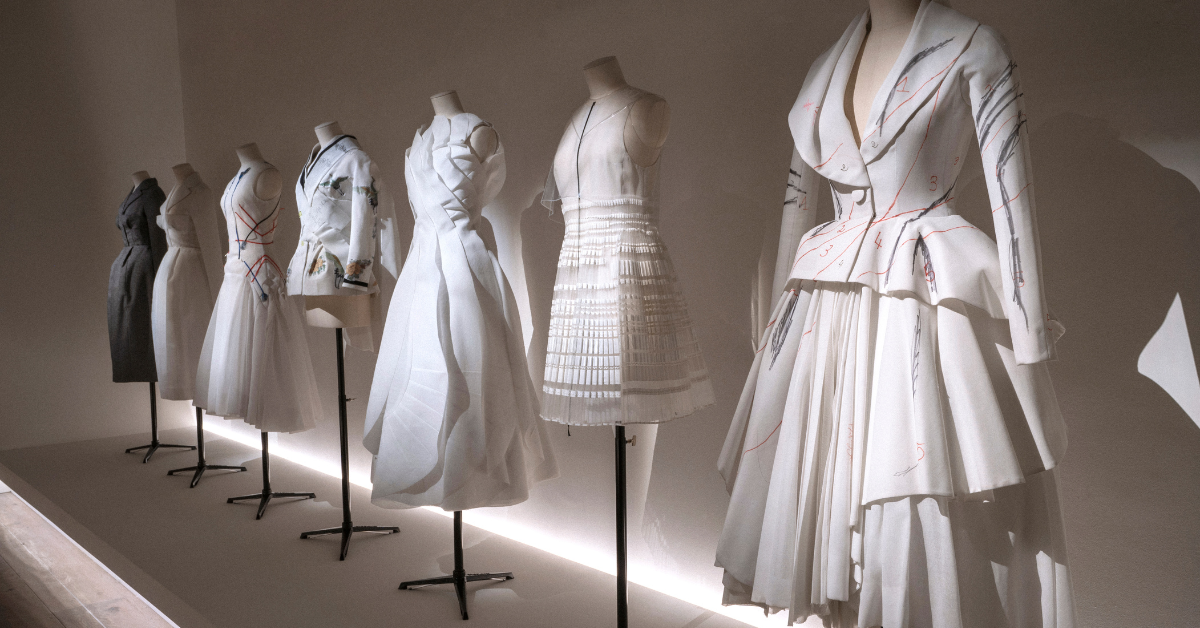
Dior and SCAD: Inside a Rare Collaboration Between Fashion House and Art School
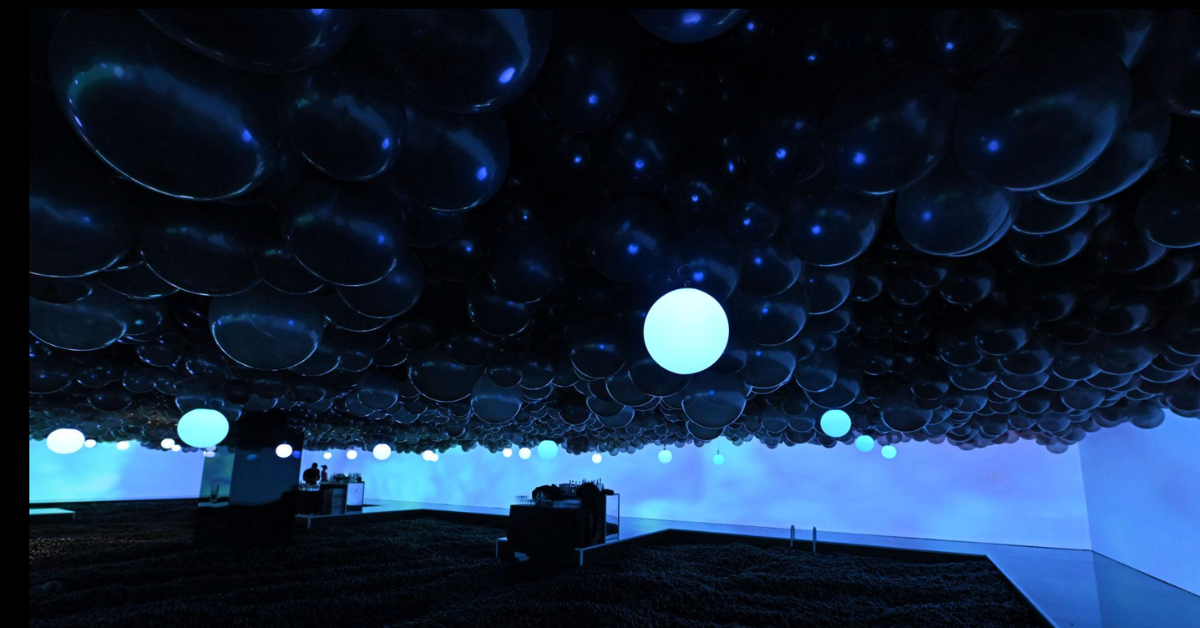
Balloon Museum Expands Its Global Tour With POP AIR – Art Is Inflatable
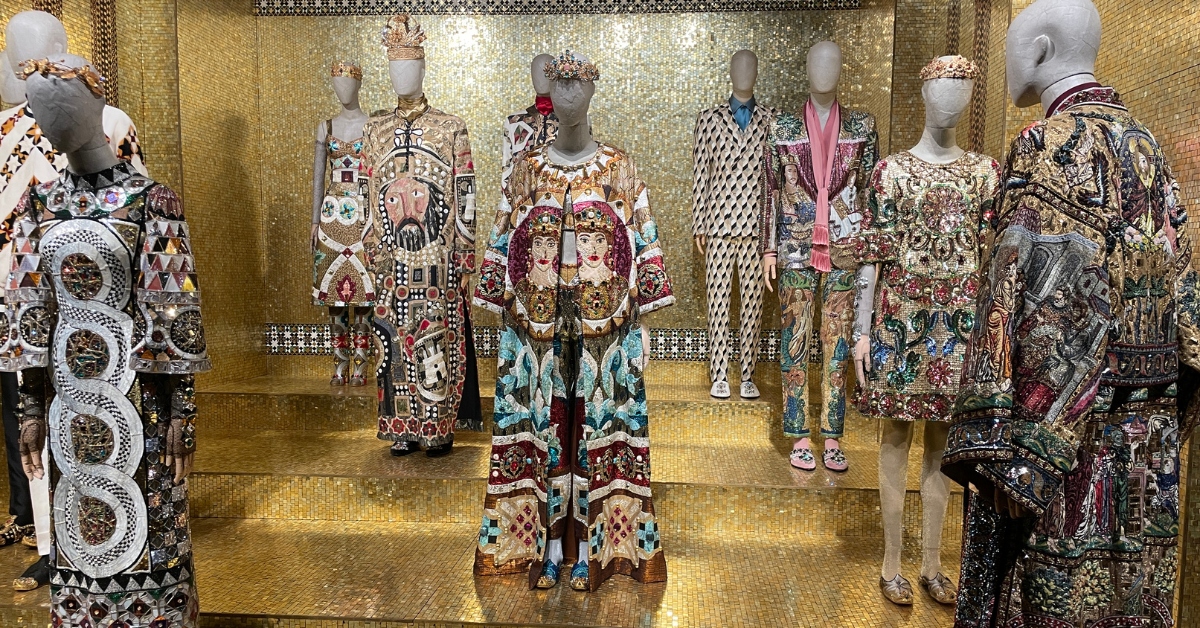
A love letter in couture: Dolce&Gabbana at ICA Miami
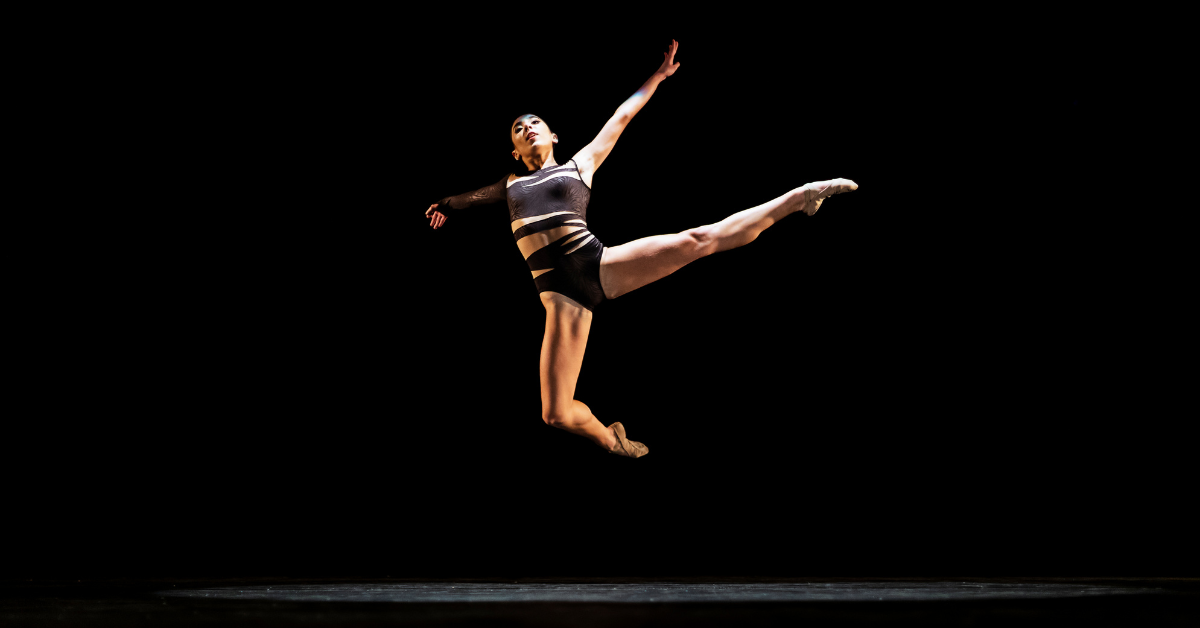
When the Body Carries the Argument: What Makes a Dance Performance Great

The Joy of Sitting in the Front Row at a Small Theater
The Unspoken Magic of Opening Nights
10 Cities That Belong on Every Cultural Traveler’s Bucket List
Funding the Arts at Home, Pulling Back Abroad
Artists Are Not Being Replaced by AI—And the Fear Misses the Deeper Truth
New World School of the Arts Alum Leonardo Castañeda Selected for the 2026 Whitney Biennial
Spotlight Series: Artists who took center stage during Miami Art Week