Experience World-Class Performances for Less with Tomorrow's Stars
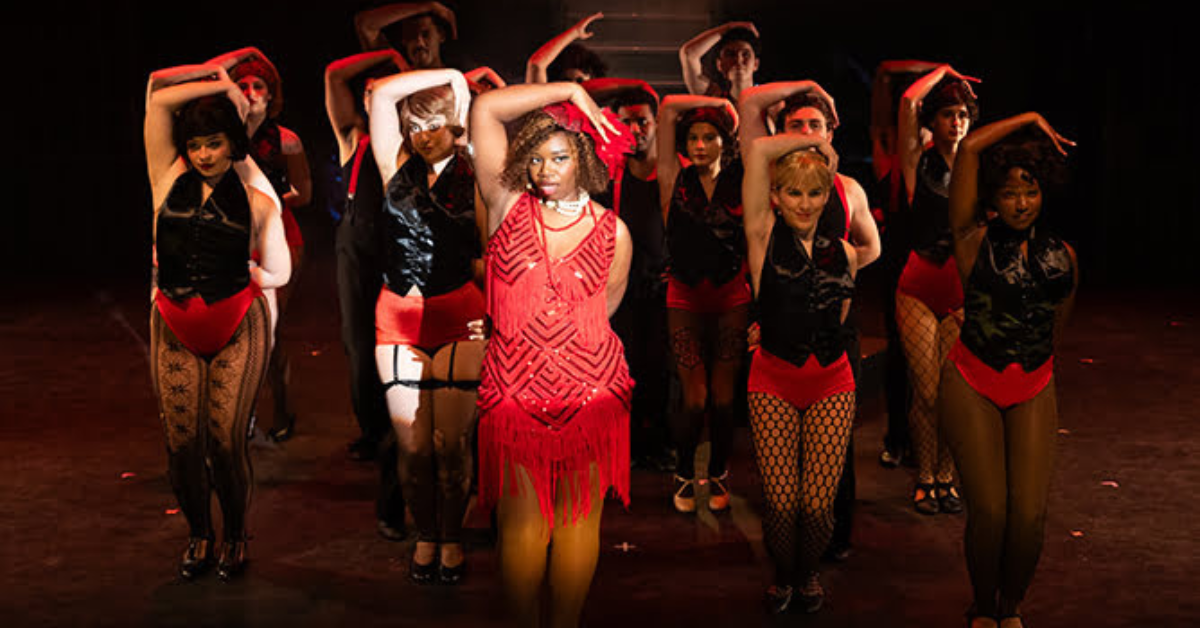
When we think of cultural nights out—opera, ballet, play, recital—we often imagine expensive halls, professional touring companies, and tickets that make the eye twitch. Yet there is a thriving, more accessible alternative: student performances at performing arts colleges. Here, rigorously trained young artists take center stage. The ticket is lower; the stakes are real. The experience? Just as potent.
Why student performances deserve a place in your cultural calendar
1. Professional-level training, emerging talent
Top-tier performing arts programs don’t hand out roles lightly. Students in voice, theater, dance, or musical theater often receive the same caliber of instruction, coaching, and rehearsal discipline as conservatories. By senior year, many are already auditioning professionally. In effect, the “student show” is not a community theatre experiment—it’s the final act of a rigorous educational pipeline.
2. Value you won’t find elsewhere
Let’s compare: a regional community theatre production might charge $25–$40 for a simple play, or dance nights might run $30–$60. A student opera, musical, or orchestral concert—especially at a university or conservatory with subsidized costs—might charge $5–$20, sometimes even free or “pay what you can.” You’re getting a performance in a well-equipped hall, with lighting, sets, costumes, and direction—all for a fraction of “professional” tickets.
3. Fresh voices, risk-taking, and proximity to the creative spark
Students are experimenting. They push boundaries in ways seasoned companies sometimes avoid. You may witness a daring reinterpretation, new compositions, or brave works rarely staged. Plus, there’s an immediacy in seeing a young cast grow and knowing that some of them will be on the big stages soon.
4. Support the next generation (without being a patron) Buying a seat means funding their futures. It tells deans, donors, and arts councils that you believe in cultivating new talent. It’s cultural investment at the grassroots.
Let’s not pretend every student performance equals a polished Broadway show—but many come close. The difference between this and amateur or community work is structure: curriculum, formal adjudication, faculty oversight, guest artists, workshops, and external juries. These are not weekend hobby productions; they’re part of a disciplined curriculum.
Below is a curated sampling of colleges and universities that host regular student performances in well-equipped performing arts centers throughout CultureOwl's markets:
Florida
New World School of the Arts (Miami)
A collaborative institution between Miami Dade College, the University of Florida, and Miami-Dade County Public Schools, New World School of the Arts is one of Florida’s most prestigious performing and visual arts conservatories. Students in theatre, dance, and music present frequent showcases and full-scale productions at venues like the Louise O. Gerrits Theater in downtown Miami. NWSA performances are known for their professional caliber, highlighting the next generation of artists shaping Florida’s cultural scene.
Florida International University (FIU)
The Wertheim Performing Arts Center (WPAC) is FIU’s home stage for the Department of Theatre and the School of Music. (en.wikipedia.org)
This means plays, recitals, concerts—many directed or performed by students—happen here.
University of Florida
The UF Performing Arts division offers a full season of theatre, dance, musical theatre, opera, and orchestral concerts. (performingarts.ufl.edu)
On-campus, the Constans Theatre is a 415-seat proscenium stage used by student productions through UF’s theatre and dance programs.
Florida Atlantic University (FAU)
FAU’s Department of Theatre and Dance, along with the School of Music, presents a full season of performances on its Boca Raton campus. Venues like the University Theatre and Studio One Theatre host student-led plays, recitals, and dance concerts that showcase both classical and contemporary works. FAU’s strong arts curriculum makes it a South Florida hub for accessible, high-quality cultural experiences.
Palm Beach State College
Palm Beach State’s Duncan Theatre (Lake Worth campus) and Eissey Campus Theatre (Palm Beach Gardens) are both professional-grade spaces where students in music, dance, and theatre arts perform throughout the year. The college’s events often blend community participation with student showcases, offering audiences an affordable entry into live performing arts.
University of South Florida (USF)
USF’s School of Theatre and Dance and School of Music present frequent public performances at the USF Theatre Centre and Barnes Recital Hall in Tampa. The university’s productions often include innovative collaborations between departments—integrating media, technology, and movement—making for an exciting and contemporary arts experience.
St. Petersburg College
SPC’s Fine Arts and Humanities Department hosts a range of theatre, choral, and instrumental performances at the SPC Arts Auditorium. With campuses across Pinellas County, it offers multiple
Eastern Florida State College (Palm Bay, Cocoa, etc.)
Their Performing and Visual Arts events calendar lists student plays, recitals, and other performances. (easternflorida.edu)
You will find many more across the state: in Tampa (University of Tampa, USF), in Orlando (UCF, Rollins, Valencia), in Miami (University of Miami’s Frost School of Music, though not all are fully subsidized). But FIU and UF are anchor examples.
Greater Atlanta / Georgia region
SCAD Atlanta (Savannah College of Art and Design)
SCAD’s campus in Midtown emphasizes a cross-disciplinary approach to the arts, with student theatre, film screenings, fashion shows, and visual art exhibitions. The college frequently opens its events to the public, creating a strong bridge between student work and Atlanta’s broader creative scene.
University of Georgia (UGA)
UGA’s Performing Arts Center (PAC) is a hub for both student and visiting artist performances. (pac.uga.edu)
The Hugh Hodgson School of Music offers regular “Thursday Scholarship Series” concerts, student ensembles, opera theatre, recitals, etc.
Emory University
The Schwartz Center for Performing Arts serves both Emory students and guest artists, with recitals, ensemble performances, and more.
Georgia State University (GSU)
GSU owns and operates Rialto Center for the Arts downtown, which not only hosts touring artists, but also regular performances by the GSU School of Music and other campus ensembles.
Georgia Tech / DramaTech Theatre
Though smaller, DramaTech is student-run theatre, with multiple productions each semester in the Dean James Dull Theatre (part of the Ferst Center).
Clayton State University / Spivey Hall
Spivey Hall is an acoustically excellent venue on Clayton State’s campus, hosting both student and guest recitals in classical and jazz idioms.
For a full list of student performances and other cultural events across Florida and Atlanta, check out CultureOwl—a platform that aggregates performances into one place to help promote a vibrant cultural lifestyle.
Student / senior / community discounts are often available. Some recitals are free or “suggested donation.”
Arrive early or stay late—many departments host post-show Q&A, open rehearsals, or meet-the-cast events.
Watch faculty/guest artist recitals too—they often pair with student performances, giving you a mix of established and emergent artists.
Final reflection: culture doesn’t have to be costly
When I first discovered student opera at a state university, We paid $8. We sat in a hall flush with lights, live orchestra, and a cast in full costume. I left thinking: I just got dinner‑show tier sound and emotion for less than a movie ticket. That sense—of entering beauty, creativity, effort, risk—is real. You may stumble across an artist who, in a few years, becomes a name you recognize.
In a world where culture is often gated by price, student performance is a bridge. It connects you directly to the creative process, supports training pipelines, and expands what “seeing art” means. So next time you want to catch a play, hear a string quartet, see dancers spin—you might do better with a college season ticket than a mainstream subscription.
Similar Posts
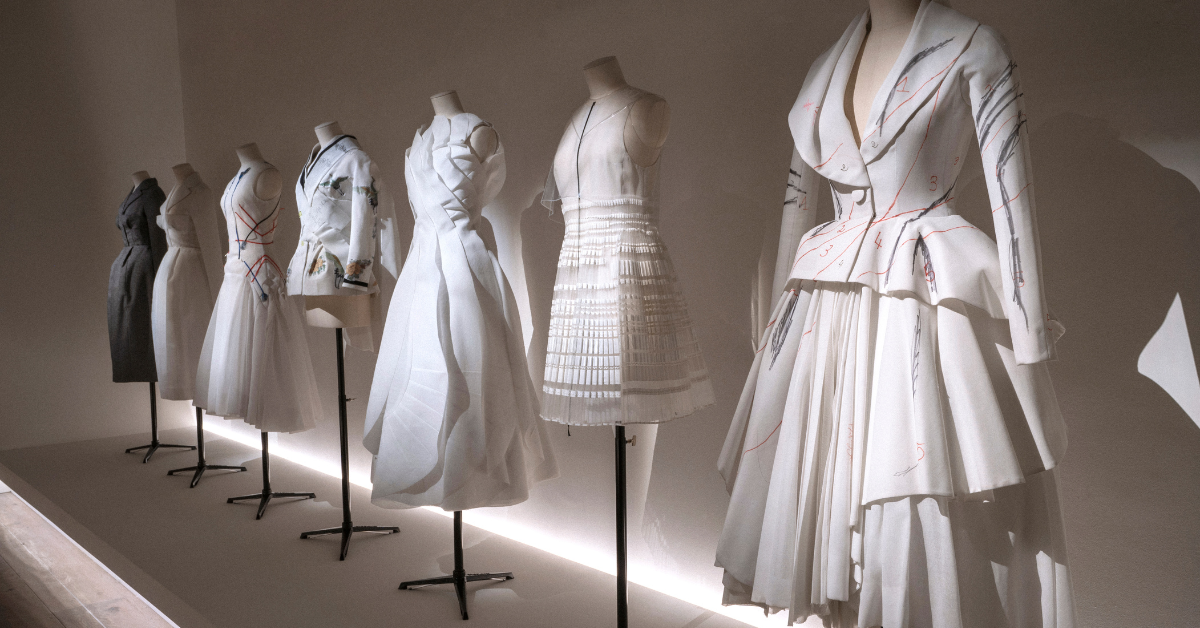
Dior and SCAD: Inside a Rare Collaboration Between Fashion House and Art School
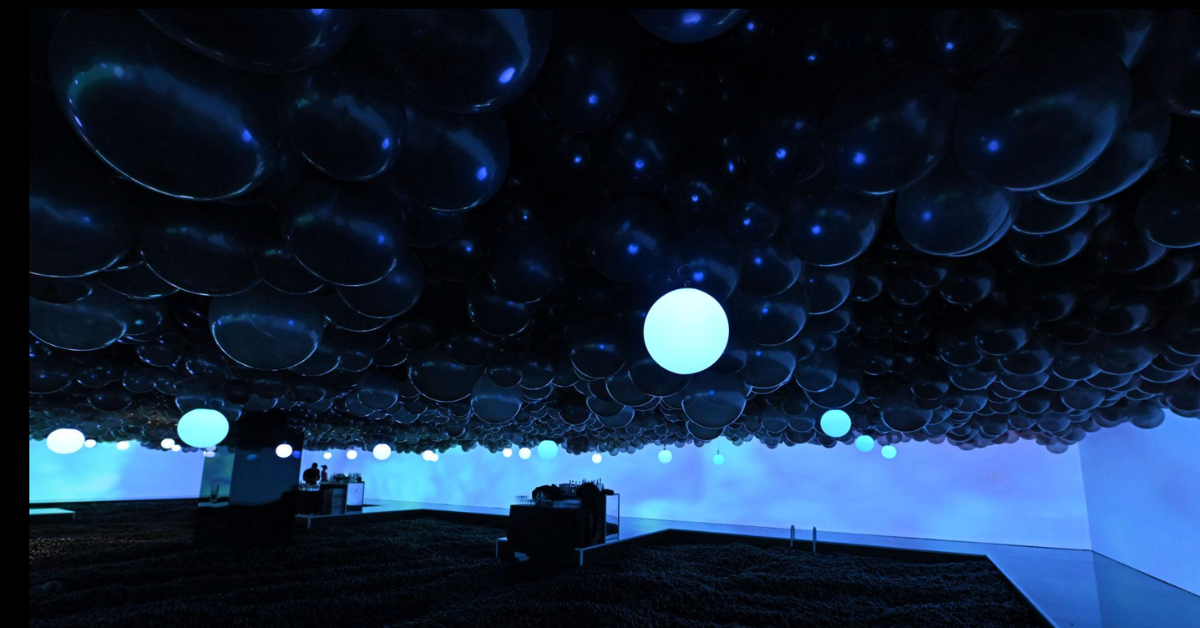
Balloon Museum Expands Its Global Tour With POP AIR – Art Is Inflatable

A love letter in couture: Dolce&Gabbana at ICA Miami
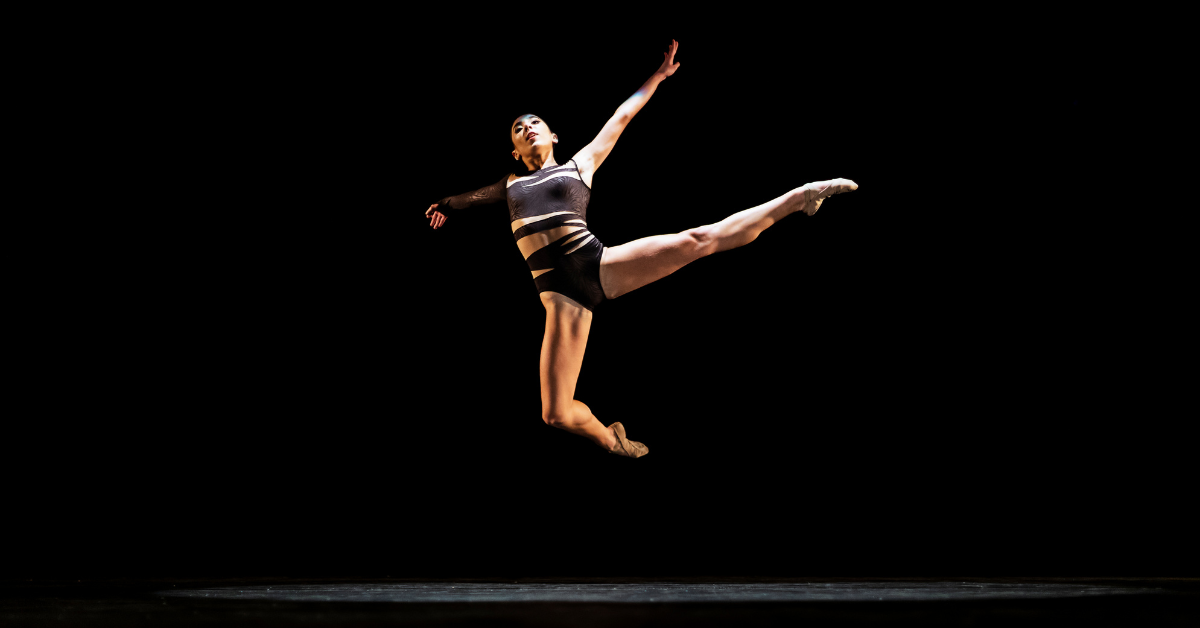
When the Body Carries the Argument: What Makes a Dance Performance Great
The Joy of Sitting in the Front Row at a Small Theater
The Unspoken Magic of Opening Nights

10 Cities That Belong on Every Cultural Traveler’s Bucket List

Funding the Arts at Home, Pulling Back Abroad

Artists Are Not Being Replaced by AI—And the Fear Misses the Deeper Truth
New World School of the Arts Alum Leonardo Castañeda Selected for the 2026 Whitney Biennial
Crossroads of Culture: Highlights from Art Basel Miami Beach 2025