

In the arts and culture sector, grant writing is often framed as an administrative technical necessity, something that simply “keeps the lights on.” It is frequently viewed as paperwork, compliance, or a routine function of nonprofit operations. Yet this limited perspective dramatically undersells the power of strategic grant writing.
In reality, grant writing is far more than administrative labor. It is a cultural act and gives an organization the opportunity to articulate its story, demonstrate its community impact, and define how every awarded dollar will strengthen and sustain a vibrant cultural arts ecosystem. The effects of grant writing extend far beyond balancing a budget. They directly influence which communities are resourced, what kinds of cultural programming are available, and ultimately, which futures are made possible.
Many organizations operate within what might be called the “chase model” of grant seeking. They respond to calls for proposals as they arise, adapt programs to meet funding guidelines, and work urgently to meet submission deadlines. In this reactive framework, funding priorities often shape organizational direction rather than the other way around. Programs may be adjusted to mirror trending language, and short-term funding opportunities can overshadow long-term vision. It is a cycle that can leave organizations stretched thin and disconnected from their core mission.
But what would happen if organizations flipped this model? Strategic grant writing begins with a different question: “What ecosystem are we building for our community?” Instead of asking, “What do funders want?” organizations ask how funding can advance their long-term cultural goals. This shift is subtle but transformative. It re-centers mission, vision, and values as the foundation of funding strategy. Grants become tools for advancing intentional cultural design rather than external pressures to conform. Funding opportunities are evaluated based on alignment, not urgency. Over time, this approach reshapes relationships with funders and leads to partnerships rooted in shared purpose rather than transactional exchange.
A well-crafted grant proposal does far more than request money. It constructs a narrative around an organization’s purpose and impact. It articulates passion through measurable outcomes. It frames artistic work as both expressive and essential. Strong proposals communicate the depth of community engagement, the breadth of artistic reach, the clarity of organizational goals, and the tangible transformation taking place. They show how programs affect individuals, families, neighborhoods, and creative economies. Every proposal tells a story not just about activities, but about values. It explains why the work matters, who benefits, and how success will be measured.
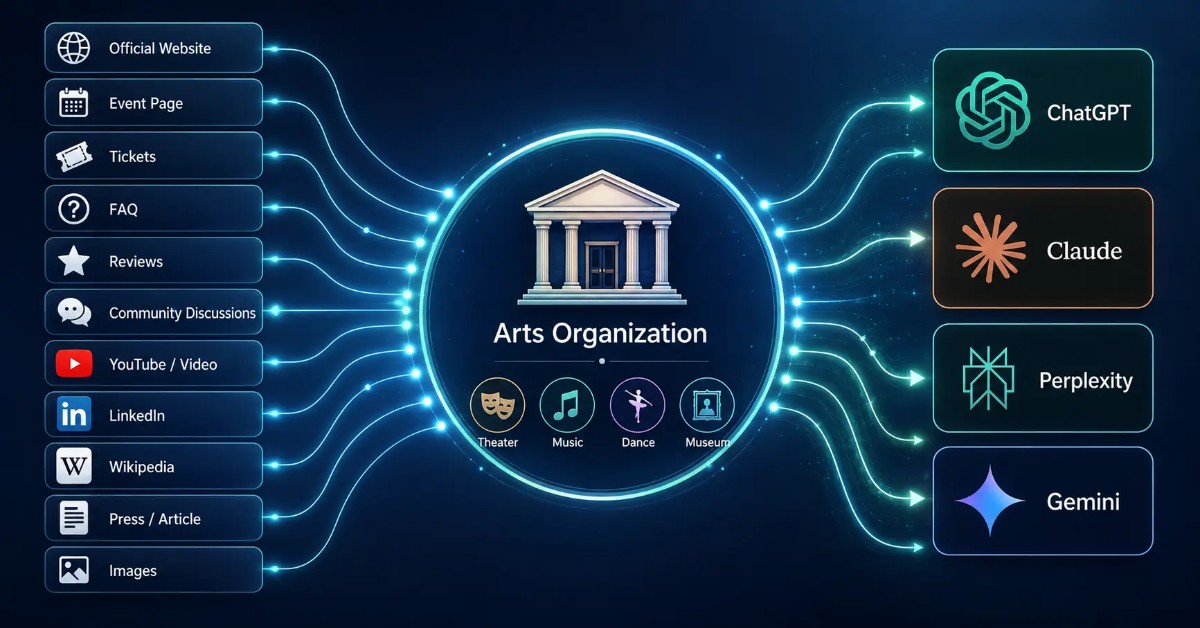
Cultural ecosystems are interconnected networks of artists, audiences, institutions, funders, educators, policymakers, and communities. No organization operates in isolation. Strategic grant writing requires mapping these relationships clearly and demonstrating how an organization contributes to the larger system. Effective proposals illustrate how programs strengthen local creative economies through audience development and engagement, cross-sector collaborations, artist support, and sustained community partnerships. Funders are increasingly drawn to proposals that demonstrate ripple effects rather than one-off events. A single exhibition or performance may be meaningful, but reviewers want to understand how it connects to artist development, educational outreach, community cohesion, and long-term growth.
Over time, organizations that practice strategic grant writing cultivate different kinds of relationships and revenue streams. Rather than conforming to requirements that do not resonate with their mission, they seek funding sources that align with their ecosystem vision. This may include local municipal grants, regional arts councils, state arts agencies, private foundations, corporate sponsors, and individual donors of all sizes. Diversifying revenue in this way strengthens resilience. When funding streams reflect organizational values, institutions reduce dependence on any single source and create financial ecosystems that mirror the cultural ones they seek to build.
Panel review processes are often competitive, and scores are directly influenced by the clarity and strength of a proposal’s narrative. Strategic grant writers understand that storytelling and data must work together. Proposals that speak to year-round accomplishments including communities reached, audience feedback, measurable goals, partnerships formed, and milestones achieved provide a comprehensive picture of impact. They incorporate quantitative data such as attendance numbers and demographic reach alongside qualitative insights such as testimonials and community stories. This combination builds credibility and demonstrates that the organization not only produces meaningful artistic work but also evaluates and understands its influence.
Words matter deeply in this process. Strategic grant writers recognize that language signals values. The way a proposal frames cultural work influences how it is perceived by reviewers. Is the work positioned as entertainment, education, economic development, social justice, or civic engagement? Often, it encompasses all of these dimensions, but how they are articulated shapes how funders prioritize investment. Over time, these narratives shape broader policy conversations and public funding priorities. The language refined and repeated in proposals can influence how entire fields are understood and valued.
Depending on the mission of an organization, grant writing can also serve as a powerful form of advocacy. Cultural leaders can use proposals to advocate for historically underfunded communities, elevate marginalized voices, and embed equity into budgets and evaluation metrics. By clearly outlining fair compensation practices, inclusive programming strategies, and accessible community engagement models, organizations demonstrate that equity is not an afterthought but an operational priority. Rather than adapting mission to funding trends, they influence funding trends to align with mission. Through consistent articulation of values and measurable outcomes, organizations can help funders refine their own understanding of impact and equity.
This strategic approach requires discipline. It may mean acknowledging that not every grant opportunity is the right fit. Accepting funding that pulls an organization away from its ecosystem vision can create mission drift and strain internal capacity. Strategic leaders evaluate opportunities carefully, ensuring that each application advances long-term goals. Educating funders through thoughtful proposals demonstrates credibility. Clear impact measurement, transparent budgeting, and well-defined outcomes build trust. The grant writer’s role becomes collaborative and educational, illuminating the organization’s work, growing awareness, and contributing to a healthier cultural ecosystem for all.
Grant writing should not exist in isolation from leadership and programming. When leadership, programming, and development teams align around shared cultural outcomes, funding becomes a strategic tool rather than a scramble. Internal clarity translates into external coherence. Organizations that invest in this alignment develop multi-year funding roadmaps, maintain diversified revenue models, implement data systems that track cultural impact, build relationships with aligned funders, and clearly define their values. This infrastructure stabilizes institutions and creates room for thoughtful growth.
Stability, in turn, fuels creativity. There is a misconception that financial strategy restricts artistic experimentation. In truth, strong infrastructure enables it. When institutions are financially grounded, artists can take creative risks. When programming budgets are predictable, organizations can pilot new initiatives, expand access, and deepen community engagement. Infrastructure supports imagination. A strategic grant framework provides the predictability necessary for innovation.
As public and philanthropic funding landscapes continue to evolve, organizations that treat grant writing as a cultural strategy are better positioned to adapt. They build durable partnerships rooted in shared values. They influence funding criteria by consistently demonstrating ecosystem-wide impact. They expand definitions of community benefit to include social cohesion, education, economic vitality, and civic engagement. In doing so, they strengthen entire creative communities.
Every grant proposal is ultimately a story about the future. It outlines potential, projects intention, and invites investment in possibility. Strategic grant writing ensures that this story is intentional, equitable, and ecosystem-aware. It connects present achievements to long-term aspirations and positions cultural work as essential infrastructure rather than optional enrichment.
In the long arc of cultural development, many powerful performances, exhibitions, and community programs exist because someone crafted a compelling proposal that made them possible. The artistry may be visible on stage or in a gallery, but behind it often stands a carefully constructed document that translates artistic vision into funded reality. When organizations recognize grant writing as a cultural strategy, they stop chasing funds and start shaping ecosystems. They align revenue with mission, influence funding priorities, and design futures rooted in community impact. In doing so, grant writing becomes not just a technical requirement, but one of the most constructive, creative acts an organization can undertake.
Sandra Schoenlank-Arian is a cultural affairs professional and freelance grant writer specializing in arts funding, nonprofit collaboration, and municipal programming. She holds a Master’s degree in Hospitality and Tourism Management with a minor in Marketing and brings over five years of experience in cultural affairs grants management.