Atlanta’s Next Cultural Landmark: A Sphere-Style Venue Takes Shape

Atlanta is no stranger to ambitious cultural infrastructure. From the continued expansion of the Atlanta BeltLine to the city’s growing network of performance spaces and public art, the trajectory is clear. Culture here is not static. It is being actively built, expanded, and reimagined.
Now, a new type of venue is entering that conversation.
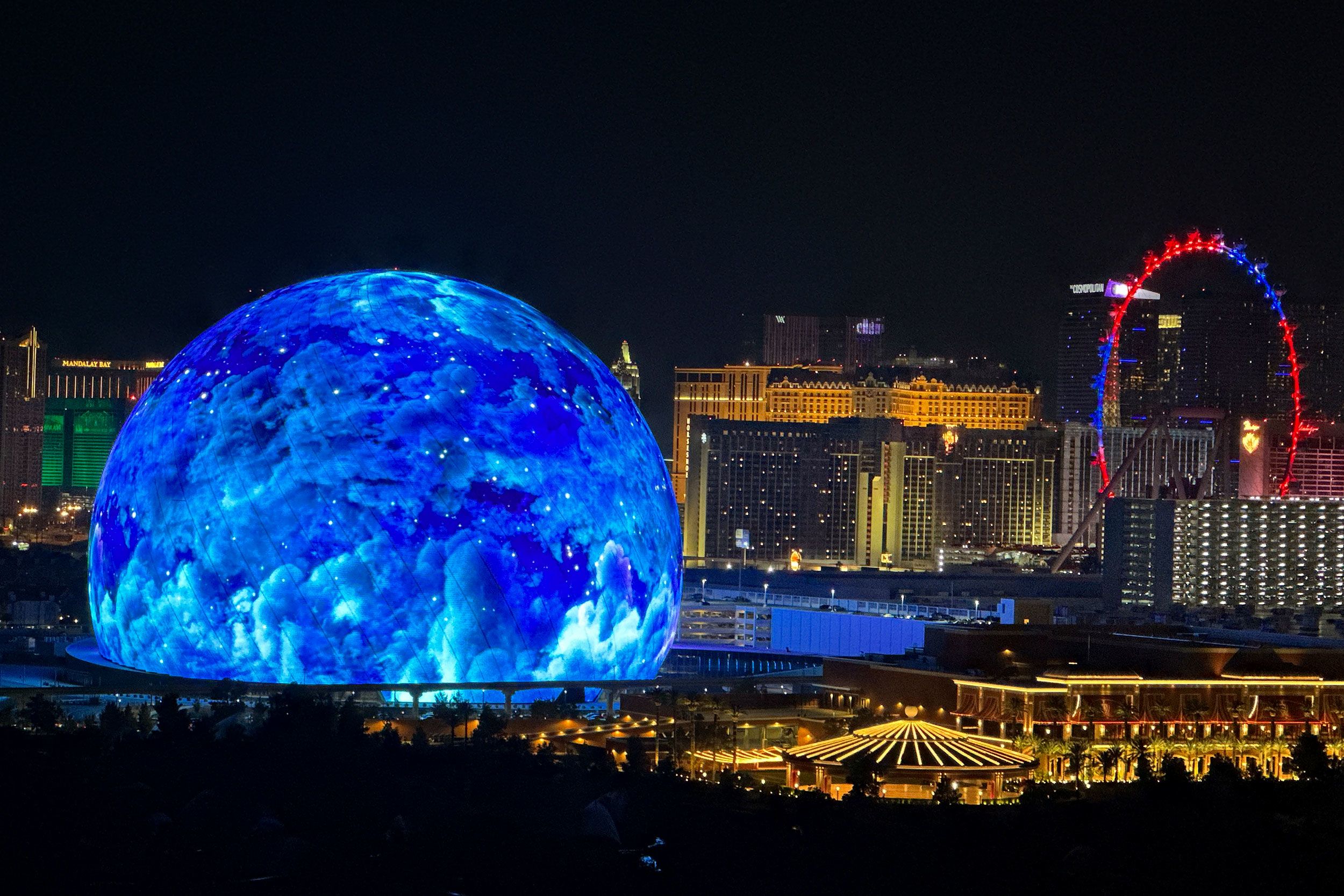
Plans are emerging for a sphere-style immersive venue in Atlanta, modeled in part after the technological and experiential precedent set by the MSG Sphere Las Vegas. While details are still taking shape, the concept signals a shift in how audiences will engage with live performance, digital art, and large-scale storytelling.

A New Format for Cultural Experience
At its core, the sphere-style venue is not simply a theater. It is an environment.
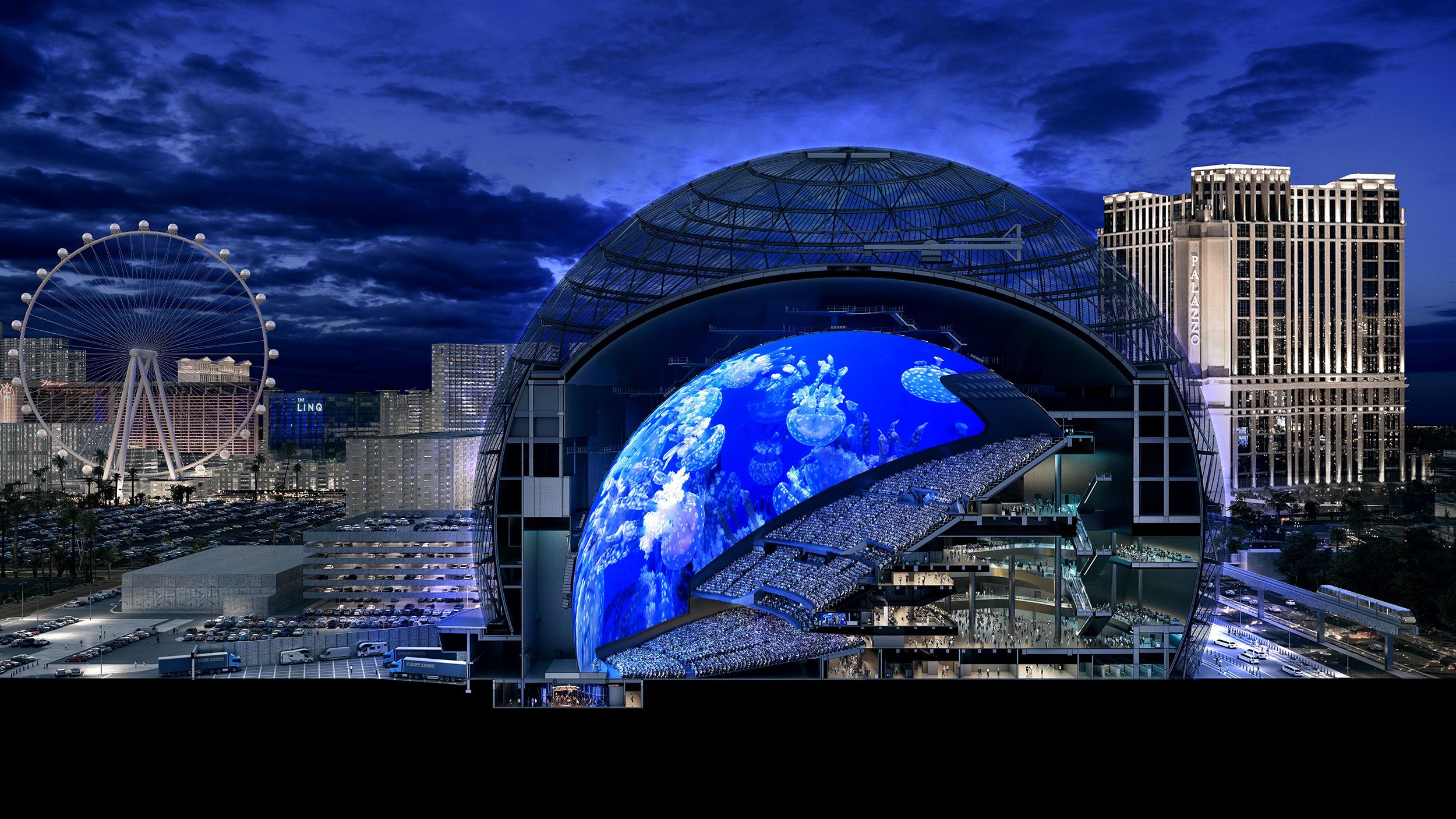
These spaces are defined by massive, high-resolution LED interiors that wrap audiences in a fully immersive visual field. Combined with spatial audio and advanced projection systems, the result is an experience that dissolves the traditional boundary between viewer and performance. The audience is no longer watching from a distance. They are placed inside the work itself.
For a city like Atlanta, with its deep ties to music, film, and digital production, this format feels particularly aligned. The region’s creative industries already operate at the intersection of storytelling and technology. A venue of this kind does not introduce something foreign. It amplifies what is already here.
Beyond Touring Acts
While large-scale touring productions will inevitably anchor early programming, the longer-term opportunity is more expansive.
Sphere-style environments open the door for new forms of cultural production. Visual albums, immersive documentaries, site-specific digital installations, and hybrid performance works become viable at a scale that traditional venues cannot support. Artists are not confined to a stage. They are composing entire worlds.
This raises important questions about authorship and access. Who gets to create for these spaces? Will they be reserved for major commercial productions, or will there be pathways for independent artists, local creators, and cultural institutions to participate?
Atlanta’s strength has always been its creative diversity. The success of this venue will depend in part on whether that diversity is reflected in its programming.
Infrastructure, Not Just Attraction
Projects like this are often framed as headline attractions. And they are. But their deeper impact is infrastructural.
A sphere-style venue has the potential to function as a new cultural anchor—one that draws audiences, supports surrounding development, and creates opportunities for adjacent sectors, from hospitality to education. In this way, it joins a broader category of projects shaping cities across the country, from linear cultural corridors like The High Line to evolving public space initiatives such as The Underline.
What distinguishes Atlanta’s potential entry is its emphasis on immersive media. This is infrastructure not just for movement or gathering, but for a new mode of cultural consumption.
The Artist Opportunity
There is also a more nuanced layer to consider. Immersive venues demand new creative languages.
Designing for a 360-degree canvas is fundamentally different from composing for a stage or screen. It requires collaboration across disciplines—filmmakers, sound designers, visual artists, choreographers, and technologists working in concert. For artists in Atlanta, this could represent both a challenge and an opportunity: a chance to expand practice into formats that are still being defined.
If access is prioritized, the venue could become a platform for experimentation, not just exhibition.
A City in Motion
Atlanta’s cultural identity has always been dynamic, shaped by movement, migration, and constant reinvention. The introduction of a sphere-style venue reflects that same momentum. It suggests a city willing to invest not only in preserving culture, but in advancing how it is experienced.
As plans evolve, the key question will not simply be what the venue looks like, but how it functions within the broader ecosystem. Whether it integrates with local artists, institutions, and audiences—or operates as a standalone spectacle—will determine its lasting impact.
What is clear is this: the definition of a cultural venue is changing. And Atlanta is positioning itself to be part of that shift.
Similar Posts
Dior and SCAD: Inside a Rare Collaboration Between Fashion House and Art School
Balloon Museum Expands Its Global Tour With POP AIR – Art Is Inflatable
A love letter in couture: Dolce&Gabbana at ICA Miami
When the Body Carries the Argument: What Makes a Dance Performance Great
The Joy of Sitting in the Front Row at a Small Theater
The Unspoken Magic of Opening Nights
10 Cities That Belong on Every Cultural Traveler’s Bucket List

Funding the Arts at Home, Pulling Back Abroad

Artists Are Not Being Replaced by AI—And the Fear Misses the Deeper Truth
New World School of the Arts Alum Leonardo Castañeda Selected for the 2026 Whitney Biennial
Crossroads of Culture: Highlights from Art Basel Miami Beach 2025