A New Kind of Coastal Experience Arrives in South Florida
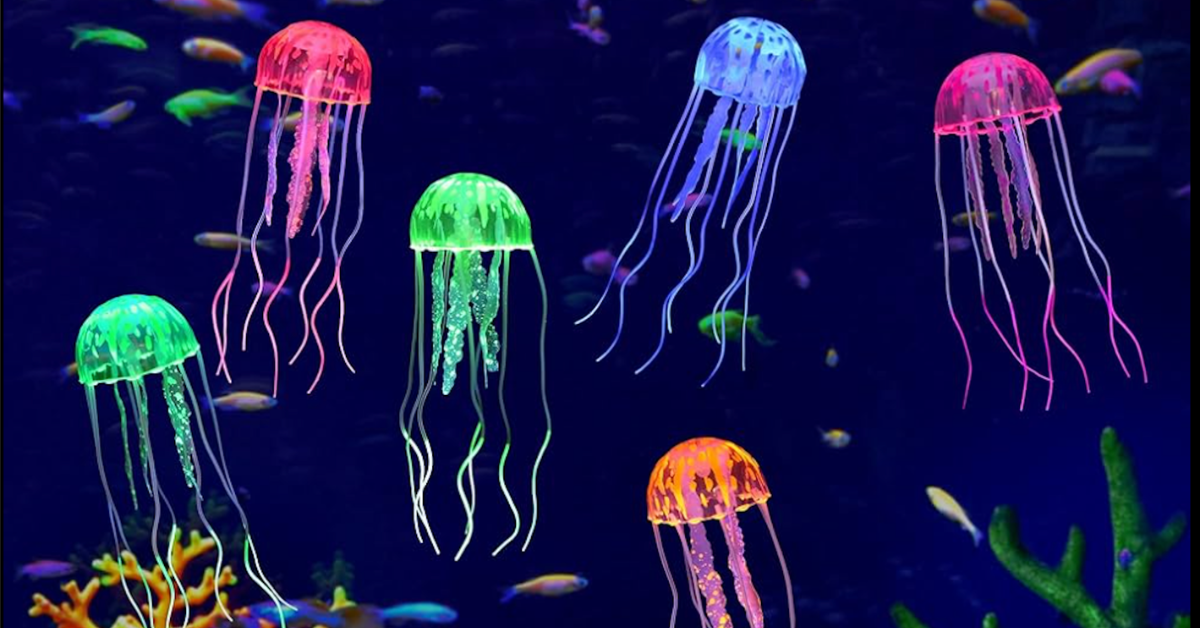
Along Florida’s coastline, where marine life already shapes identity and economy, a new cultural space is emerging—one that sits somewhere between science center, immersive art installation, and contemplative environment. The Jellyfish Museum in Pompano Beach introduces a distinct addition to South Florida’s evolving cultural landscape.

Where Science Meets Atmosphere
The museum is designed less like a traditional exhibit space and more like an immersive environment. Visitors move through softly lit galleries filled with live jellyfish, their forms illuminated in ways that emphasize movement, transparency, and rhythm. Projection-based environments extend the experience, creating the sensation of being submerged beneath the surface.
Rather than presenting marine life through static displays, the museum leans into sensory design. Light, sound, and spatial pacing are carefully considered, encouraging visitors to slow down and engage with the environment on a more reflective level. The experience feels closer to a living installation than a conventional aquarium.
A Living, Changing Exhibition
Jellyfish are uniquely suited to an evolving exhibition model. Their life cycles are relatively short, and their presence is inherently dynamic. As a result, the museum is not fixed in time. Displays will shift, species will rotate, and the overall experience will subtly change with each visit.
This creates a different kind of cultural space—one that rewards return visits and mirrors the fluidity of the ocean itself. It also opens the door for ongoing educational programming, with opportunities to explore marine ecosystems, environmental awareness, and the role these organisms play in broader ocean health.
Expanding South Florida’s Cultural Mix
South Florida has long been defined by its beaches, nightlife, and established institutions. In recent years, however, there has been a growing appetite for experiential spaces that blend disciplines—places where art, science, and environment intersect.
The Jellyfish Museum fits directly into that shift.
It reframes marine life as both subject and medium, using design and technology to highlight its aesthetic qualities as much as its biological significance. The result is a space that appeals to a wide audience, from families and students to those drawn to immersive, design-forward environments.
Its location in Pompano Beach also reflects a broader regional pattern. Cultural development is extending beyond Miami’s urban core, with new destinations emerging along the coast and encouraging exploration across South Florida.
A Quiet Counterpoint to the Coast
There is something fitting about a jellyfish-focused experience arriving here. In a region often defined by movement—tourism, traffic, and constant activity—this space offers a different pace.
Jellyfish move with a kind of quiet consistency, drifting rather than rushing. That quality carries through the museum itself. It invites observation over urgency, atmosphere over spectacle.
In that sense, the experience is not just about marine life. It is about perspective. It offers a moment to step outside the speed of everyday life and engage with something slower, more fluid, and deeply connected to the natural rhythms of the ocean.
Similar Posts

Dior and SCAD: Inside a Rare Collaboration Between Fashion House and Art School
Balloon Museum Expands Its Global Tour With POP AIR – Art Is Inflatable
A love letter in couture: Dolce&Gabbana at ICA Miami

When the Body Carries the Argument: What Makes a Dance Performance Great

The Joy of Sitting in the Front Row at a Small Theater

The Unspoken Magic of Opening Nights

10 Cities That Belong on Every Cultural Traveler’s Bucket List

Funding the Arts at Home, Pulling Back Abroad

Artists Are Not Being Replaced by AI—And the Fear Misses the Deeper Truth
New World School of the Arts Alum Leonardo Castañeda Selected for the 2026 Whitney Biennial
Crossroads of Culture: Highlights from Art Basel Miami Beach 2025