Basquiat: Figures, Signs, Symbols Opens June 25 at Pérez Art Museum Miami
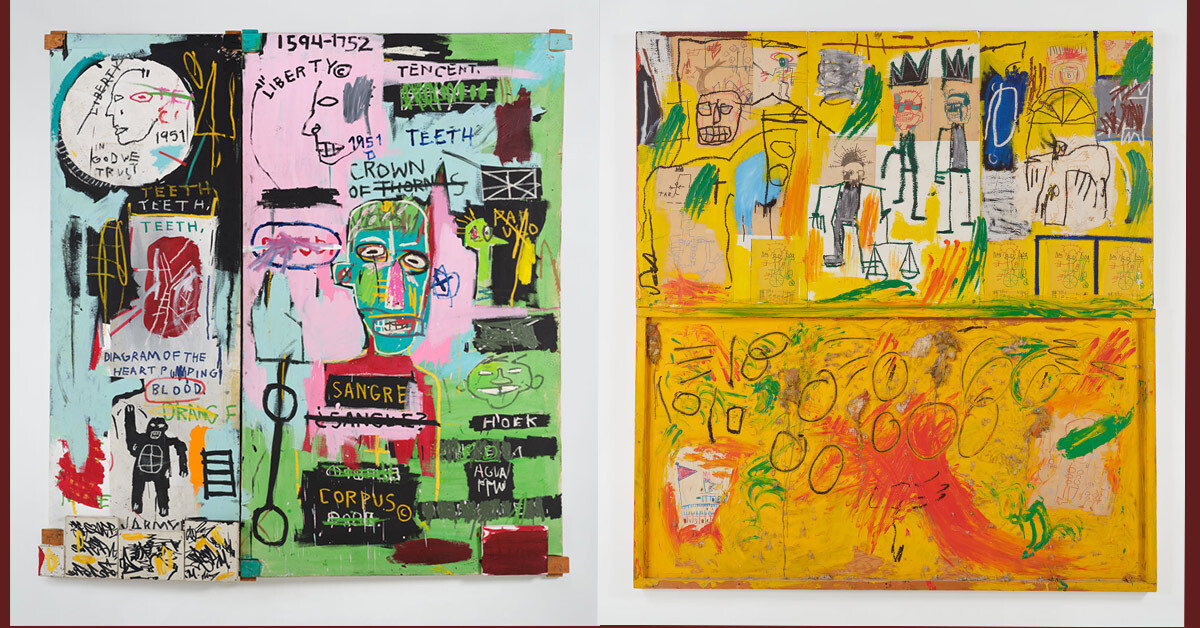
Miami welcomes a focused exhibition of Jean-Michel Basquiat’s work, bringing a concentrated look at one of the most influential visual languages of the late 20th century. There are artists whose work reflects a moment, and there are those whose work refuses to stay in one. Basquiat belongs to the latter—an artist whose visual language continues to surface wherever culture, power, identity, and expression intersect.
This summer, his work arrives in Miami through Basquiat: Figures, Signs, Symbols, opening June 25, 2026 at Pérez Art Museum Miami. The exhibition is intentionally focused—approximately nine paintings and one sculpture drawn from a major private collection—offering a concentrated look at the visual language that defined Basquiat’s practice.
That scale matters. Rather than a sprawling retrospective, this is a precise entry point into Basquiat’s world—one that emphasizes clarity over volume and invites closer, more sustained engagement with each work.
Basquiat’s canvases carry a raw, layered vocabulary—text, symbols, anatomy, crowns—assembled with the immediacy of street writing and the depth of art historical reference. What reads at first as chaos reveals itself as composition: a deliberate tension between control and release. In Miami, a city shaped by migration, contrast, and reinvention, that tension feels especially resonant.
There is a tendency to historicize Basquiat—to place him firmly in the 1980s, within the orbit of Andy Warhol and the downtown New York scene. But to encounter his work in this moment is to realize how incomplete that framing is. The themes that run through his paintings—race, authorship, commodification, language—are not artifacts. They are ongoing conditions.
What makes this exhibition particularly compelling is not just the work itself, but the context in which it is being experienced. Miami’s cultural landscape is still defining its own narrative—balancing global attention with local identity, institutional growth with grassroots energy. Basquiat’s work enters that environment not as decoration, but as disruption. It asks questions the city is already in the process of answering.
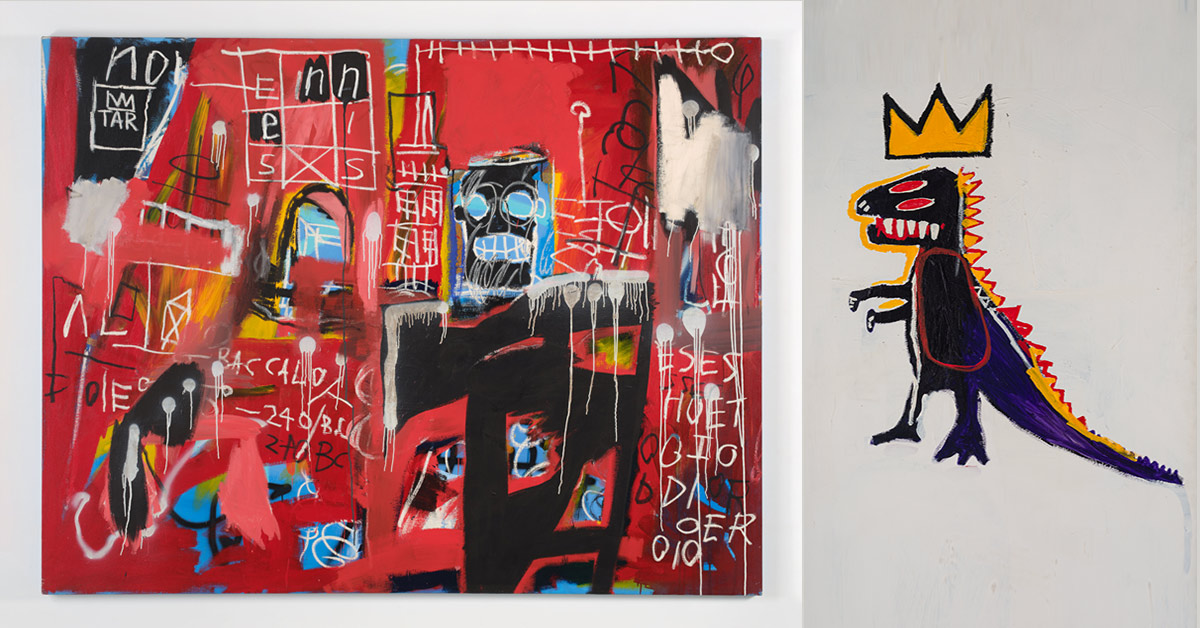
And importantly, it invites a broader audience into that conversation. Basquiat never created for a narrow viewership. His work pulls from music, sport, history, and everyday life—references that extend beyond traditional art audiences. In that way, the exhibition aligns with a larger shift happening across cultural spaces: one that recognizes participation not as exclusivity, but as access. To stand in front of a Basquiat painting is to engage with something unfinished—not in execution, but in implication. The work does not resolve. It accumulates. It leaves space for interpretation, discomfort, recognition. That is what gives this exhibition its weight. Not just the presence of an iconic artist, but the continuation of a dialogue that has never been settled.
In a city like Miami, where culture is both lived and constantly redefined, Basquiat does not feel imported. He feels present.
Similar Posts

Dior and SCAD: Inside a Rare Collaboration Between Fashion House and Art School

Balloon Museum Expands Its Global Tour With POP AIR – Art Is Inflatable
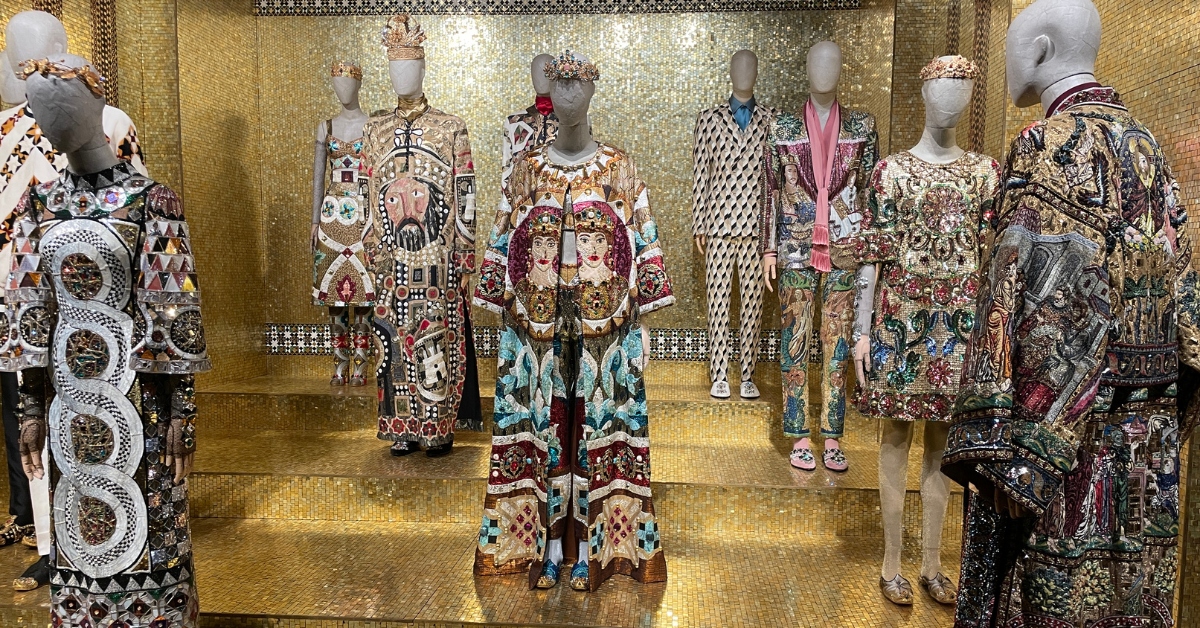
A love letter in couture: Dolce&Gabbana at ICA Miami
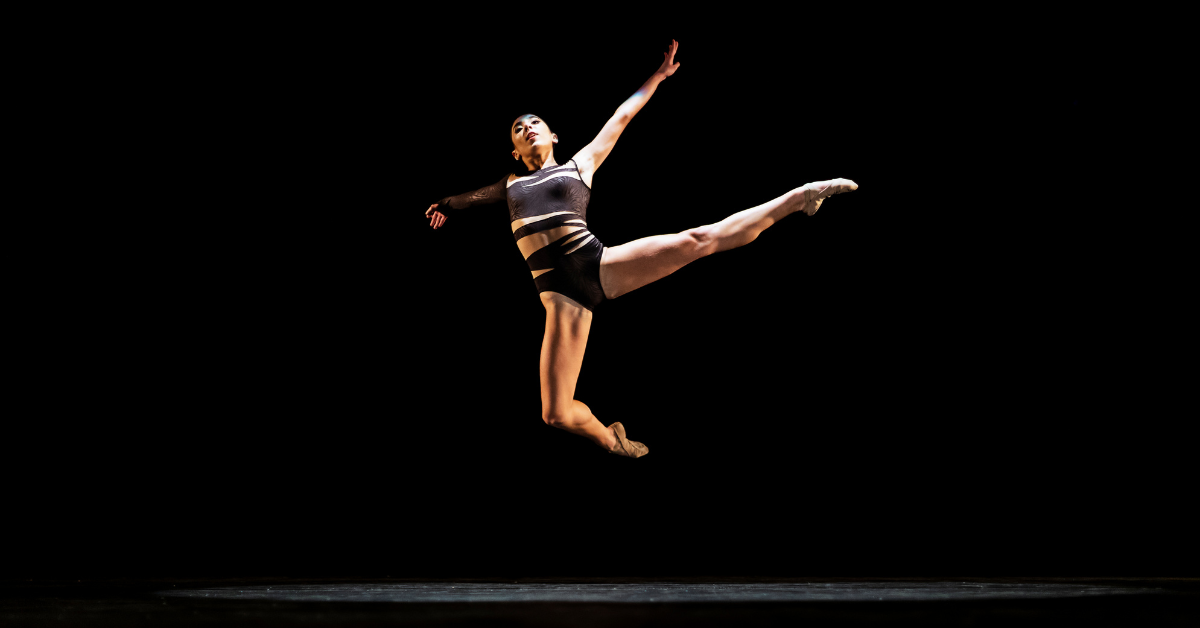
When the Body Carries the Argument: What Makes a Dance Performance Great

The Joy of Sitting in the Front Row at a Small Theater

The Unspoken Magic of Opening Nights
10 Cities That Belong on Every Cultural Traveler’s Bucket List

Funding the Arts at Home, Pulling Back Abroad

Artists Are Not Being Replaced by AI—And the Fear Misses the Deeper Truth

New World School of the Arts Alum Leonardo Castañeda Selected for the 2026 Whitney Biennial
Crossroads of Culture: Highlights from Art Basel Miami Beach 2025