Atlanta Beltllne Art Program Expands 2026 Season Across the City
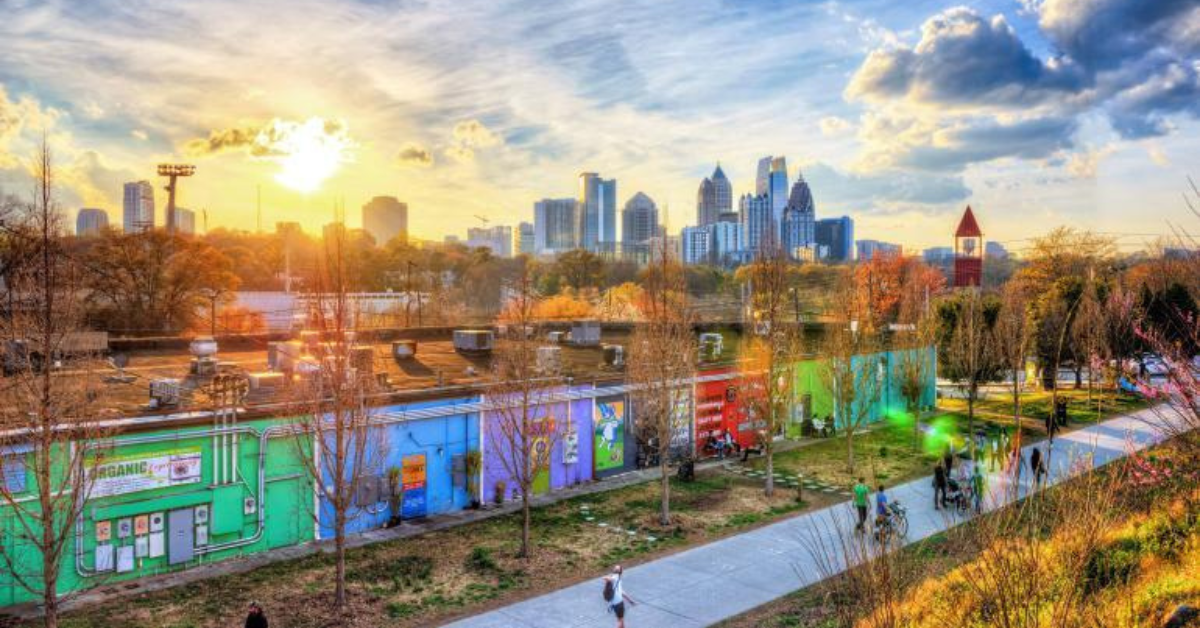
New commissions and returning initiatives along the Atlanta BeltLine continue to position Atlanta as one of the most active public art corridors in the country.
The Atlanta Beltline has opened its 2026 art season with a new cycle of installations, performances, and artist-led projects, reinforcing its role as a year-round, rotating exhibition embedded within the city’s infrastructure.
Unlike traditional museum programming, the Beltline’s model is built on change. Works are commissioned, installed, and eventually removed or replaced, creating a sequence of exhibitions that unfold continuously rather than within a fixed calendar. For visitors, that means the experience is never static—returning to the same stretch of trail can reveal entirely different work within a matter of months.
The 2026 season includes new commissions and the continuation of established initiatives such as Beltline Business Ventures: Artists Edition, which supports artist-led projects at the intersection of creative practice and small business development, and No Tables, No Chairs, a performance-based series that places temporary works directly into public space. Together, these programs extend the definition of exhibition beyond objects, incorporating time-based and participatory formats.
Installations are distributed across multiple segments of the trail, with the Eastside Trail remaining one of the most active corridors. Sculptures are positioned along pedestrian routes without formal barriers, encouraging direct, unstructured engagement. Murals and site-responsive works extend into adjacent neighborhoods, allowing the program to operate beyond the trail itself.
This approach distinguishes the Beltline from more conventional public art programs. Rather than concentrating works in designated zones, it integrates them into pathways already used for commuting, exercise, and daily movement. The result is a cultural experience that does not require intentional entry—art is encountered in passing, then revisited over time.
Beyond the curated program, Atlanta’s broader street art ecosystem continues to evolve alongside it. Locations such as Krog Street Tunnel function as informal, constantly changing canvases, where layers of graffiti and mural work are regularly painted over. While not part of the Beltline’s official programming, these spaces reflect a parallel form of expression that contributes to the city’s visual identity.
The Beltline’s continued investment in rotating commissions and artist-driven initiatives underscores a larger shift in how public art is deployed. It is not treated as a permanent fixture, but as an active system—one that responds to the city’s growth, its neighborhoods, and the artists working within them.
For Atlanta, that distinction is significant. The Beltline is no longer simply a redevelopment project or linear park. It has become a cultural framework—one that allows art to operate at the scale of the city itself.
Similar Posts
Dior and SCAD: Inside a Rare Collaboration Between Fashion House and Art School
Balloon Museum Expands Its Global Tour With POP AIR – Art Is Inflatable
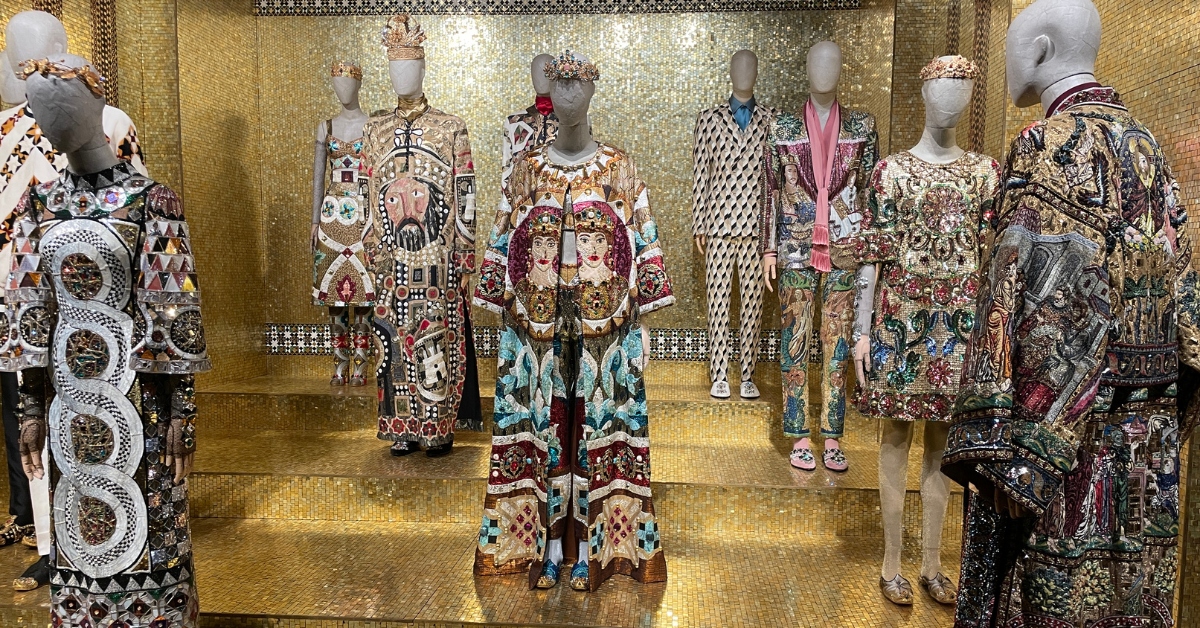
A love letter in couture: Dolce&Gabbana at ICA Miami
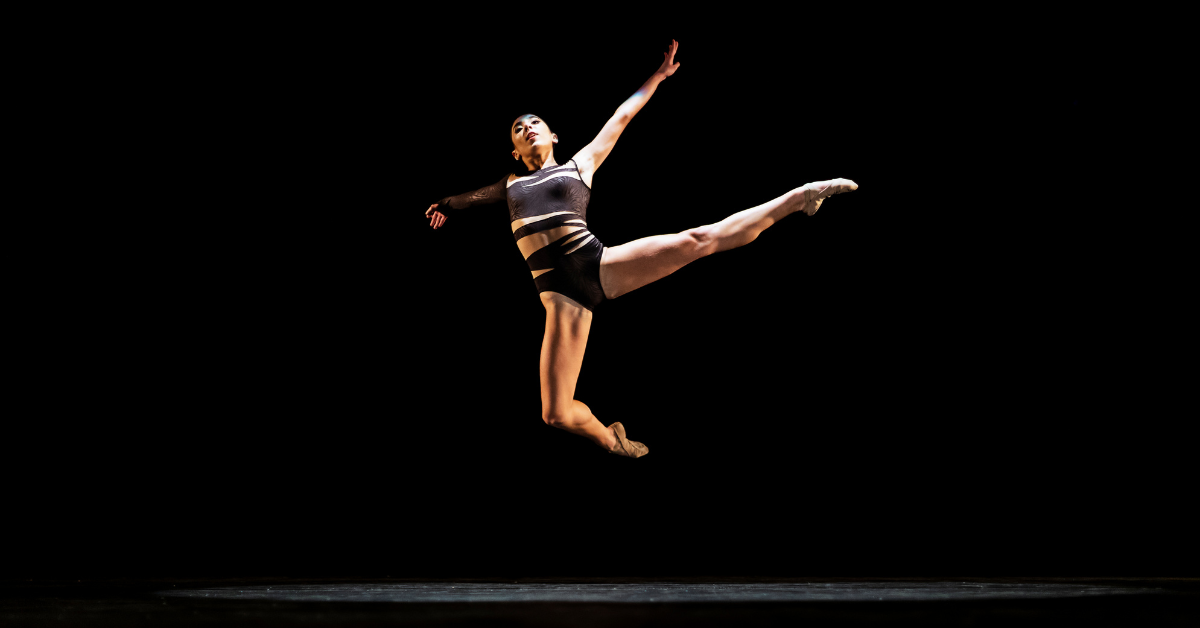
When the Body Carries the Argument: What Makes a Dance Performance Great
The Joy of Sitting in the Front Row at a Small Theater
The Unspoken Magic of Opening Nights
10 Cities That Belong on Every Cultural Traveler’s Bucket List
Funding the Arts at Home, Pulling Back Abroad
Artists Are Not Being Replaced by AI—And the Fear Misses the Deeper Truth
New World School of the Arts Alum Leonardo Castañeda Selected for the 2026 Whitney Biennial
Crossroads of Culture: Highlights from Art Basel Miami Beach 2025